
Your commercial roof does more than cover a building. It protects your tenants, employees, equipment, and daily operations. When it fails, everything inside is at risk. Leaks can interrupt business, damage inventory, and lead to costly repairs. That is why choosing the right roof membrane is not just a construction decision. It is a business decision.
Many property owners focus on price first. That is understandable. But the type of membrane you choose affects energy use, maintenance costs, and long-term performance. Working with a qualified commercial roofing contractor helps ensure you select a system that fits your building, climate, and budget from the start.
Why Membrane Selection Matters More Than Most Owners Realize
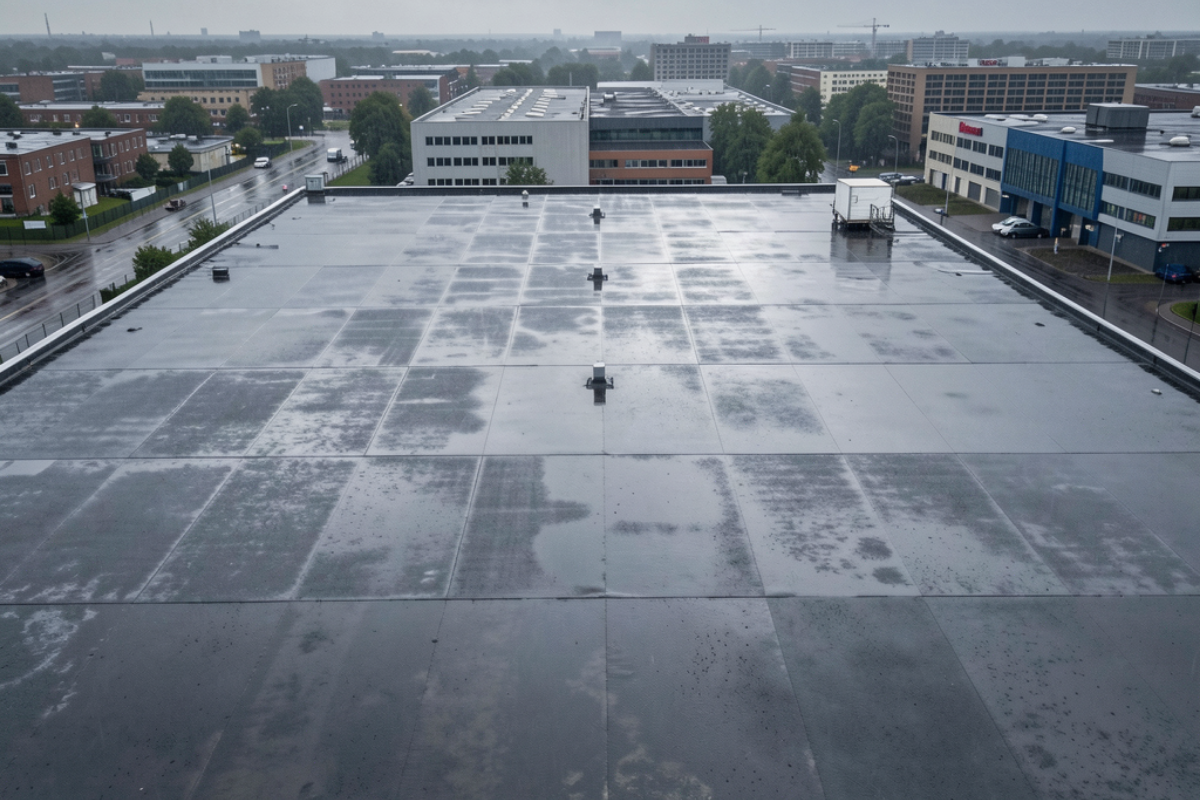
Most commercial buildings in Washington and Oregon have flat or low-slope roofs. These roofs rely on waterproof membranes to keep water out. Unlike steep residential roofs that shed water quickly, flat roofs hold water longer. That means the membrane must be strong, sealed properly, and installed with care.
If the wrong material is used, or if it is installed poorly, problems often show up within a few years. Common issues include:
- Seam failure
- Ponding water
- Cracks from temperature changes
- Early aging due to UV exposure
In the Pacific Northwest, rain is frequent. A membrane that performs well in dry climates may not hold up the same way here. Material choice should match local weather patterns, building use, and expected foot traffic. This is where experience matters.
Understanding Single-Ply Commercial Roofing Systems

TPO, EPDM, and PVC are all single-ply roofing systems. Single-ply means the roof is made from one layer of flexible membrane installed over insulation.
There are three common installation methods:
- Fully adhered, where the membrane is glued to the insulation
- Mechanically fastened, where fasteners hold it in place
- Heat-welded seams, used mainly with TPO and PVC
Single-ply systems are widely used on:
- Retail buildings
- Office buildings
- Warehouses
- Medical facilities
They are popular because they are lighter than older multi-layer systems and easier to repair when needed.
TPO Roofing: Energy Efficiency and Modern Performance
TPO stands for thermoplastic polyolefin. It is one of the most commonly installed commercial membranes today.
Key Benefits
- Reflective white surface reduces heat absorption
- Heat-welded seams create strong watertight bonds
- Cost-effective compared to some other membranes
- Resistant to UV rays
Because TPO reflects sunlight, it can help lower cooling costs during warmer months. This makes it a strong option for large commercial buildings with high energy use.
Limitations
- Product quality can vary between manufacturers
- Seam quality depends heavily on installation
TPO works well for large, open roof areas where budget and energy efficiency are both important. It is often chosen for retail centers and warehouses.
EPDM Roofing: Proven Durability in Harsh Weather
EPDM is a synthetic rubber membrane that has been used for decades. It is usually black, though white options exist.
Key Benefits
- Excellent flexibility in cold weather
- Long track record of durability
- Resistant to hail and impact
- Simple repair process
EPDM handles temperature swings well. In climates with cold winters and wet seasons, its flexibility helps prevent cracking.
Limitations
- Seams are typically adhered with adhesive instead of heat welded
- Black surface absorbs heat
EPDM is often selected when long-term durability is a higher priority than reflectivity. Many property owners prefer it for buildings where energy efficiency is not the main concern but reliability is.
PVC Roofing: Chemical Resistance and Long-Term Strength
PVC roofing is similar to TPO in appearance but different in chemical makeup. It is known for strength and resistance to certain chemicals.
Key Benefits
- Heat-welded seams
- Strong resistance to grease and oils
- High durability in industrial settings
- Good fire resistance
PVC is often used on restaurants, food processing facilities, and manufacturing buildings. Grease from exhaust systems can damage other membranes. PVC handles these conditions better.
Limitations
- Higher upfront cost
- May not be necessary for standard office or retail buildings
For buildings exposed to chemicals or heavy rooftop equipment, PVC can be a smart long-term investment.
TPO vs EPDM vs PVC: How to Decide
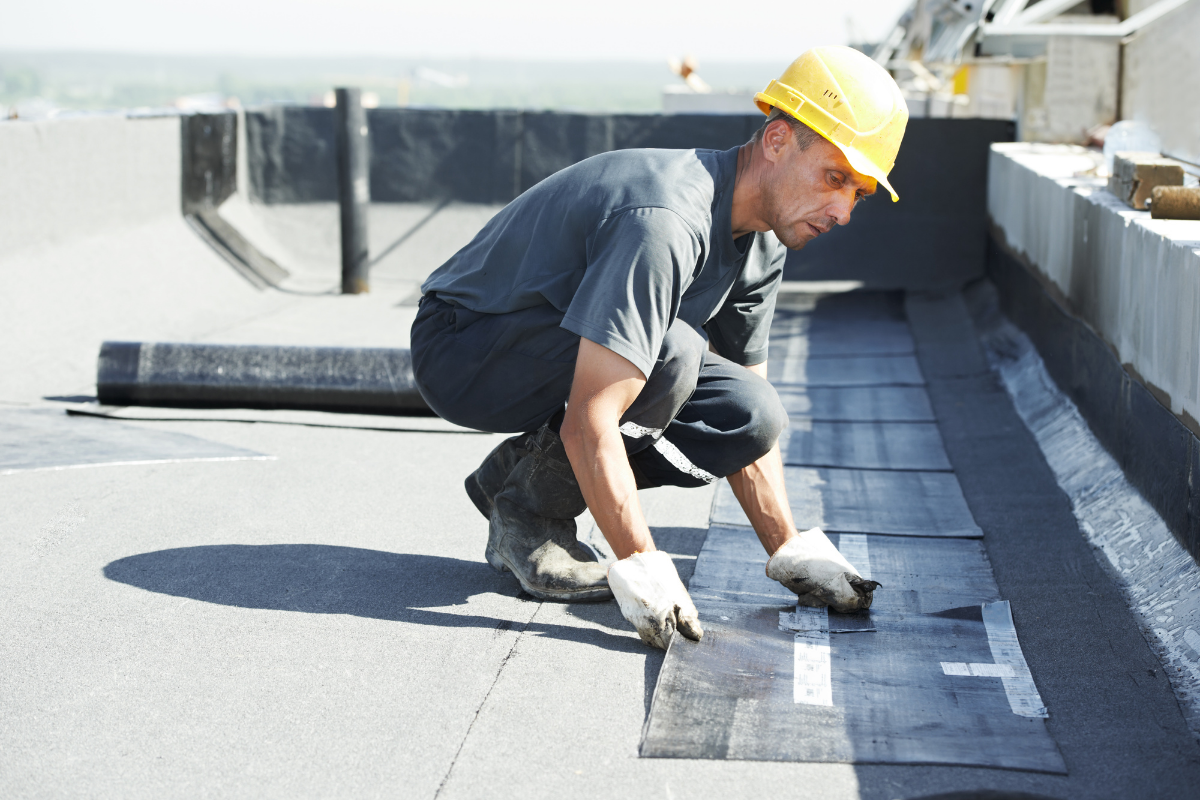
Choosing between these systems comes down to practical factors.
- Budget – TPO and EPDM are usually more affordable upfront. PVC often costs more but may last longer in certain conditions.
- Energy Goals – If lowering cooling costs is important, reflective TPO or PVC may be a better choice.
- Building Use – Restaurants and industrial sites benefit from PVC. Warehouses may perform well with TPO or EPDM.
- Climate – In wet climates like Washington and Oregon, seam strength and drainage design are critical.
- Roof Traffic – If the roof supports equipment and regular maintenance crews, durability matters more.
Here is a simple comparison:
TPO
- Moderate cost
- 15 to 25 years lifespan
- Heat-welded seams
- Good energy performance
EPDM
- Moderate cost
- 20 to 30 years lifespan
- Adhesive seams
- Strong cold-weather flexibility
PVC
- Higher cost
- 20 to 30 plus years lifespan
- Heat-welded seams
- Excellent chemical resistance
A thorough inspection helps determine which system fits best.
Installation Matters as Much as Material
Even the best membrane can fail if installed incorrectly. Many commercial roof issues are tied to poor workmanship, not defective materials.
Proper installation includes:
- Correct insulation layout
- Proper slope for drainage
- Secure fastening methods
- Clean and properly welded seams
Reliable commercial roofing services focus on these details. Skipping steps to save time can lead to early leaks and costly repairs.
Routine inspections also extend roof life. Small seam separations or flashing issues can be repaired before they turn into major problems.
Signs It Is Time to Replace or Upgrade Your Membrane
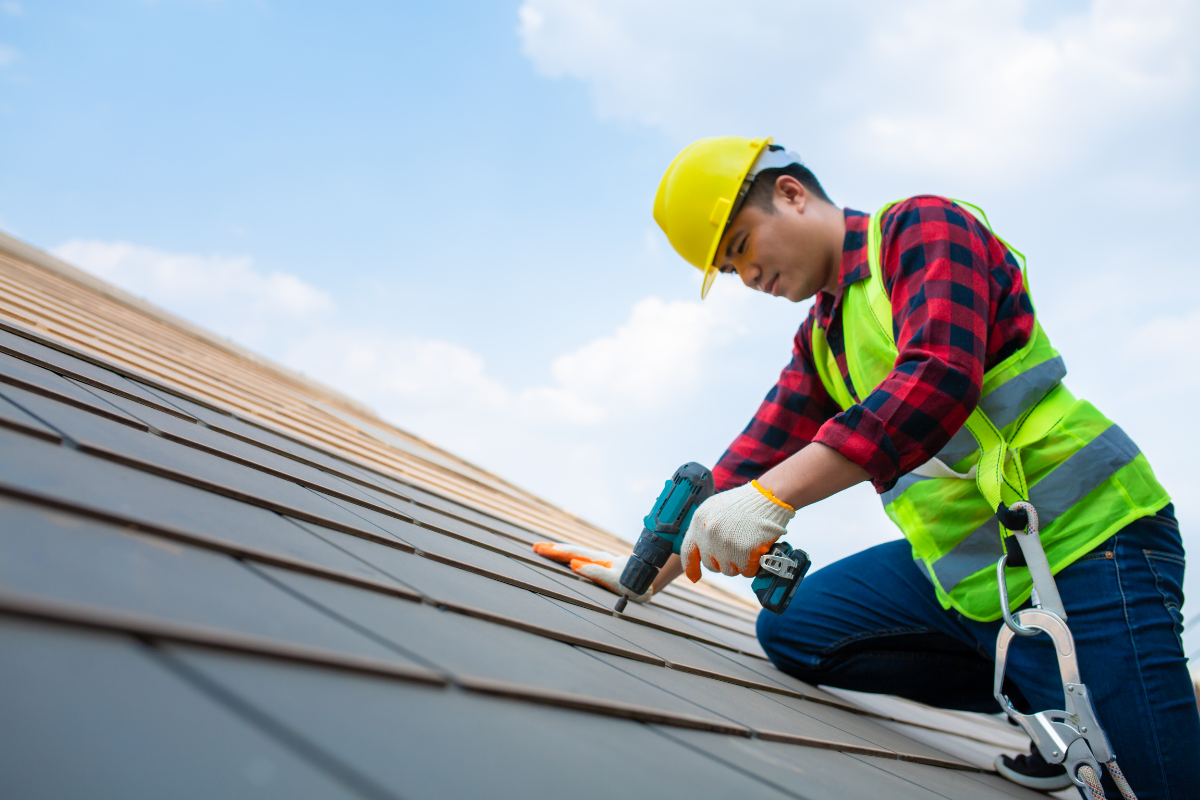
If your current roof shows these signs, it may be time to consider replacement:
- Frequent leaks in different areas
- Ponding water that does not drain
- Visible cracks or membrane shrinkage
- Rising energy bills
- Repeated repair costs
In some cases, a repair is enough. In others, replacement is more cost-effective over time. A professional inspection provides clarity before making a major investment.
Choosing the Right Commercial Roofing Contractor
Material selection should never happen without expert input. A qualified commercial roofing contractor will evaluate:
- Roof age and condition
- Drainage performance
- Insulation thickness
- Local weather patterns
- Manufacturer warranty options
Transparency matters. You should receive clear documentation, detailed estimates, and realistic timelines.
Commercial roofing services should include consultation, installation, and ongoing support. A long-term partner provides more value than a one-time installer.
Protecting Your Building Starts with the Right System and the Right Team
Choosing between TPO, EPDM, and PVC is not about trends. It is about performance, durability, and how your building functions every day. Each membrane has strengths. The key is matching those strengths to your specific needs.
At iDeal Roofing, we provide tailored commercial roofing services across Washington and Oregon. As a locally owned company based in Kelso, we focus on craftsmanship, reliability, and a smooth process from estimate to installation. We take the time to inspect your roof, explain your options clearly, and recommend solutions that make sense for your property and budget.
If you are considering a new commercial roof or evaluating your current system, contact us for a professional assessment. We are here to help you protect your investment with confidence.