
When a commercial roof fails, the damage goes far beyond shingles or membrane. Business operations can stop. Inventory can be damaged. Tenants can be displaced. Insurance claims can take months to settle. For property owners and facility managers, a roofing project is not just a construction task. It is a major responsibility that affects safety, liability, and long-term building performance.
Large commercial roofing projects carry a higher risk because of their size and complexity. There are more materials, more workers, more safety concerns, and more chances for small mistakes to become expensive problems. That is why risk management must be built into every step of the process, from inspection to final walkthrough.
Why Risk Multiplies on Large Commercial Roofs
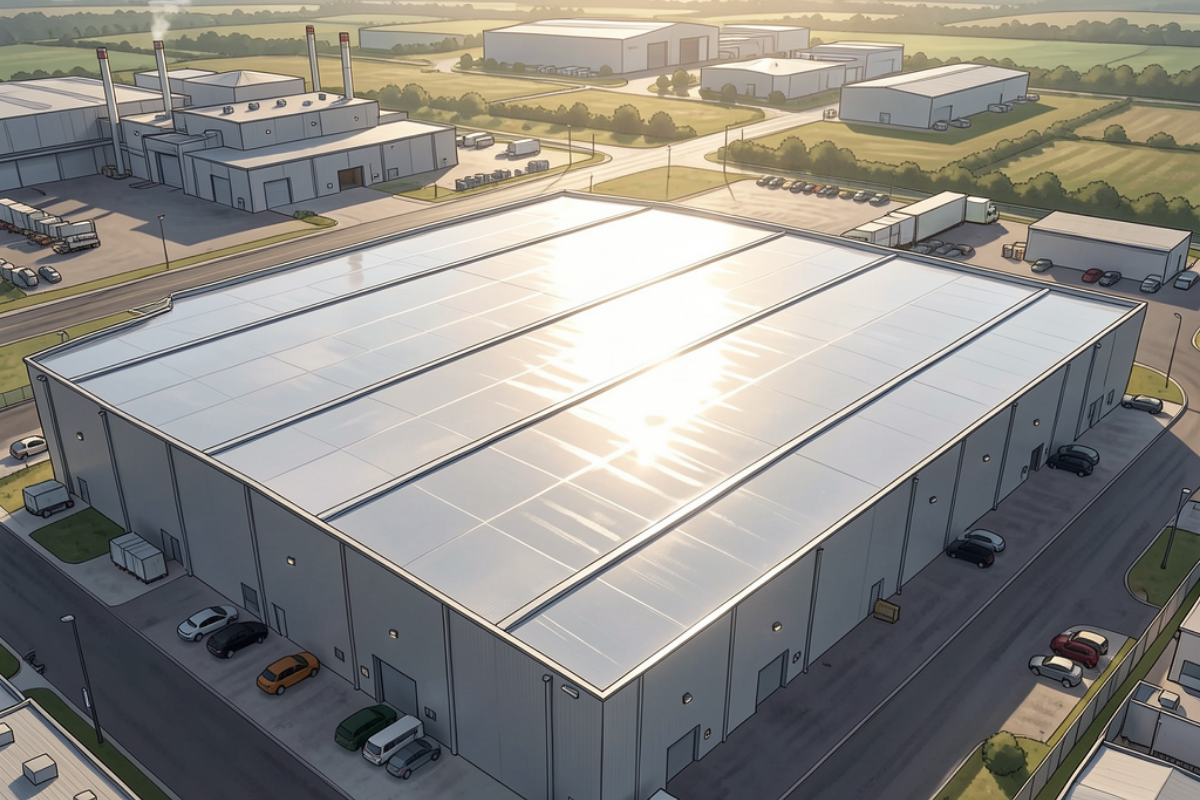
The bigger the roof, the more complicated the project becomes. A warehouse, retail center, or office complex may have thousands of square feet of roofing surface. Many of these buildings have flat or low-slope systems that require precise drainage planning. If water does not drain properly, leaks and structural damage can follow.
Large roofs also involve:
- Heavier material loads
- More crew members on-site
- Longer project timelines
- Strict local building codes
- Greater exposure to weather changes
Each of these factors increases the level of responsibility placed on the commercial roofing contractor. The wrong decision during planning or installation can lead to code violations, warranty issues, or long-term structural concerns.
Selecting a qualified partner is not just about price. It is about experience, planning, and the ability to manage risk at scale.
Pre-Project Risk Assessment Before Any Material Is Delivered
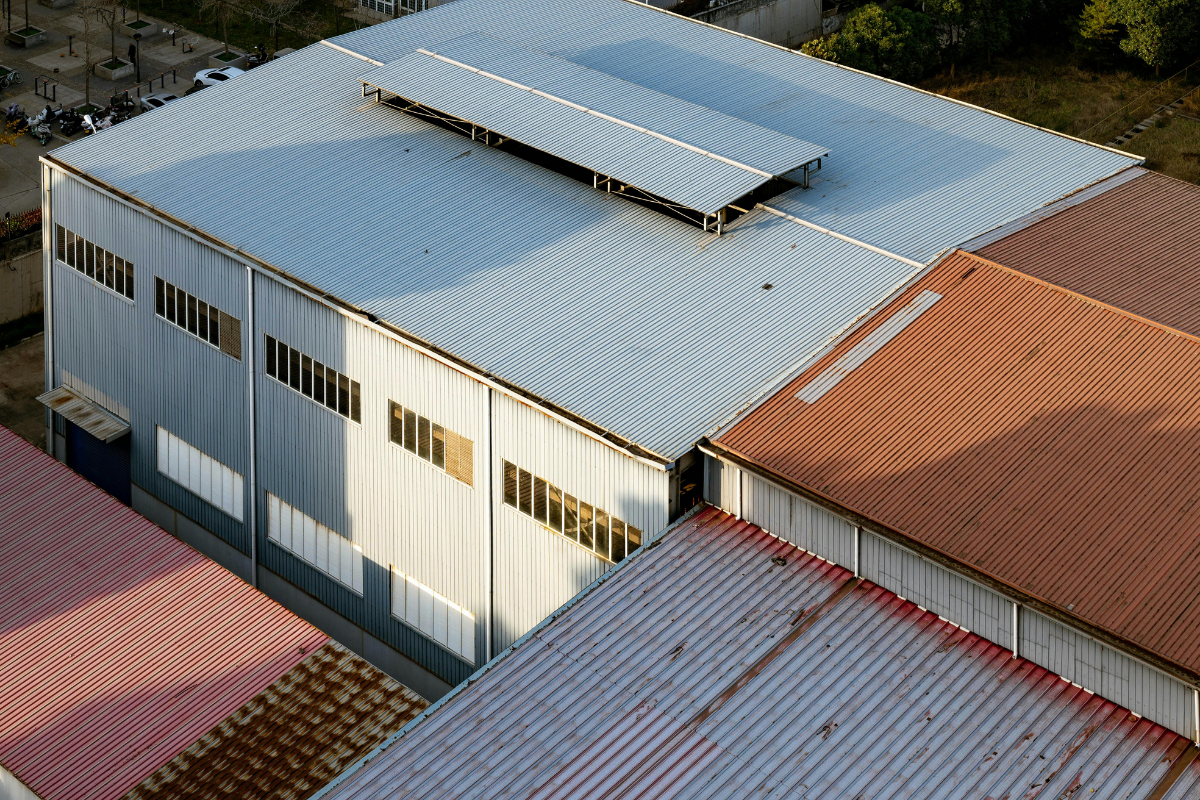
Before work begins, a detailed evaluation of the existing roof system is critical. Skipping this step often leads to surprises after the tear-off begins. Those surprises can delay the schedule and increase costs.
A proper assessment includes:
Structural deck inspection – We review the roof deck to confirm it can handle material loads and crew traffic.
Moisture detection – Wet insulation or trapped moisture must be identified early. Installing new roofing over damaged materials creates future failure points.
Drainage evaluation – We map out drains, scuppers, and slopes to prevent standing water.
Code review – Current building codes in Washington and Oregon may require upgrades in insulation or wind resistance.
A thorough inspection allows us to create a clear scope of work. This reduces unexpected changes and protects the building owner from mid-project adjustments.
Safety Protocols That Protect Crews, Tenants, and Assets
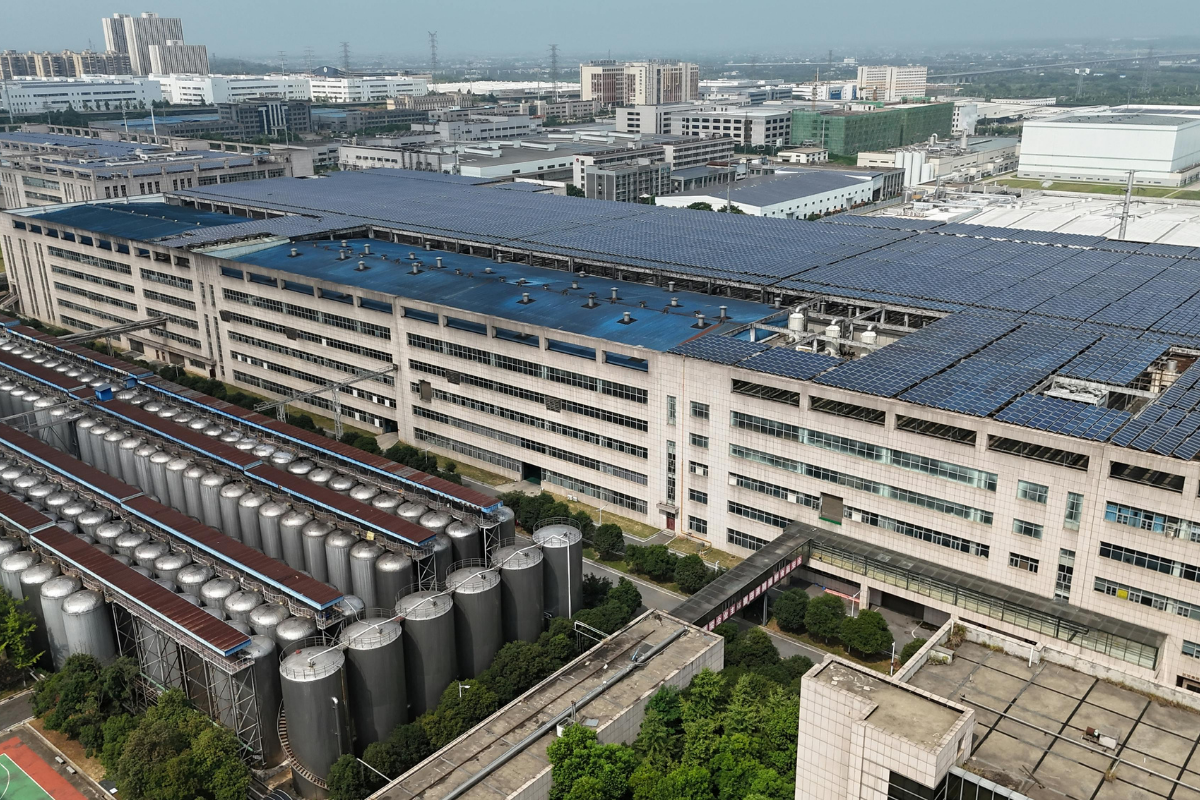
Safety is not optional on large roofing projects. It must be planned, enforced, and reviewed daily. When multiple workers are operating on a large surface, fall risks increase. When materials are being lifted and staged, ground-level safety becomes just as important.
Effective safety planning includes:
- Fall protection systems such as guardrails and harnesses
- Controlled access zones to limit unauthorized entry
- Clear walk paths for crews
- Secured material staging areas
- Daily cleanup to prevent debris hazards
Safety also extends to protecting the building itself. HVAC units, skylights, and rooftop equipment must be shielded from debris and damage. Communication with property managers ensures tenants understand what to expect during active work hours.
Professional commercial roofing services prioritize safety before speed. A rushed project that ignores safety measures increases the risk of injury and liability.
Compliance Is Structural Protection
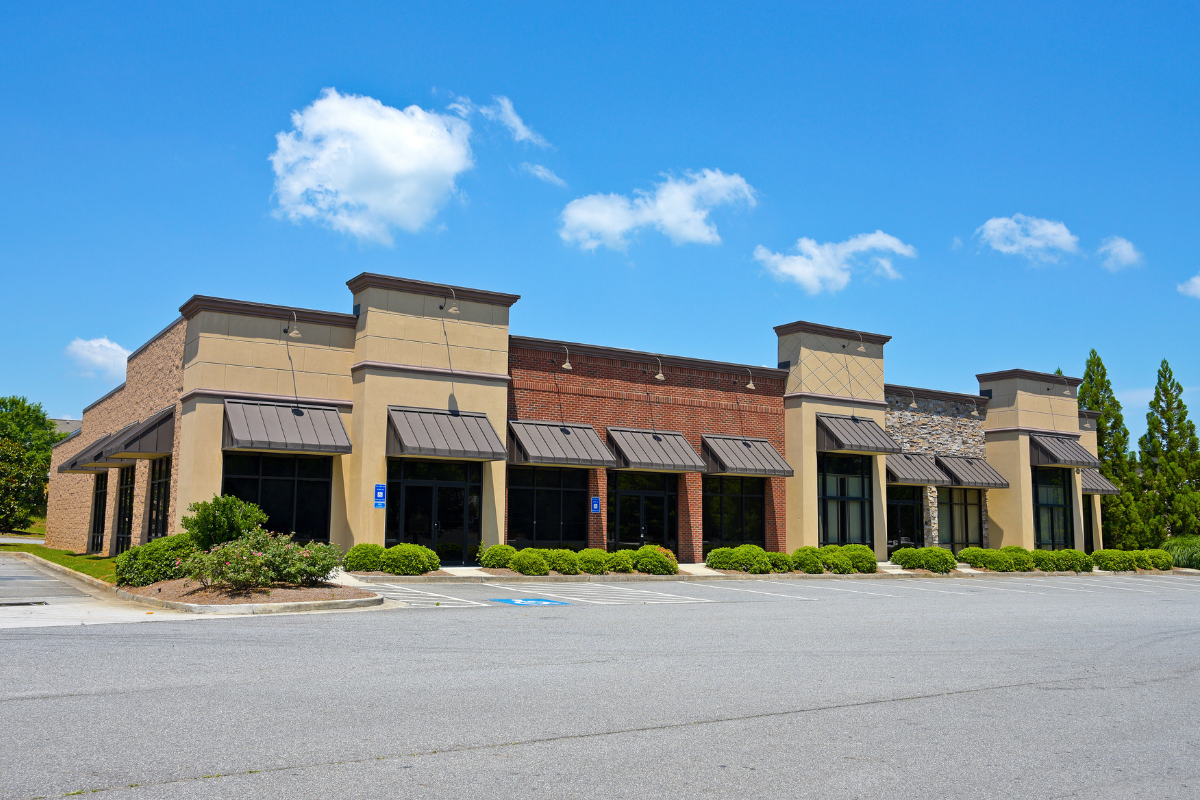
Building codes are in place to protect property owners and occupants. They cover fire resistance, wind uplift ratings, insulation standards, and proper installation methods. On large buildings, these requirements are strictly enforced.
Compliance includes:
- Meeting wind uplift standards for the region
- Installing proper insulation thickness
- Following manufacturer guidelines for membrane attachment
- Passing required inspections
Failure to comply with these standards can lead to failed inspections or voided warranties. That is why documentation and inspection checkpoints are built into our process. Compliance is not paperwork. It is a safeguard for long-term structural performance.
Protecting Structural Integrity During Tear-Off and Installation
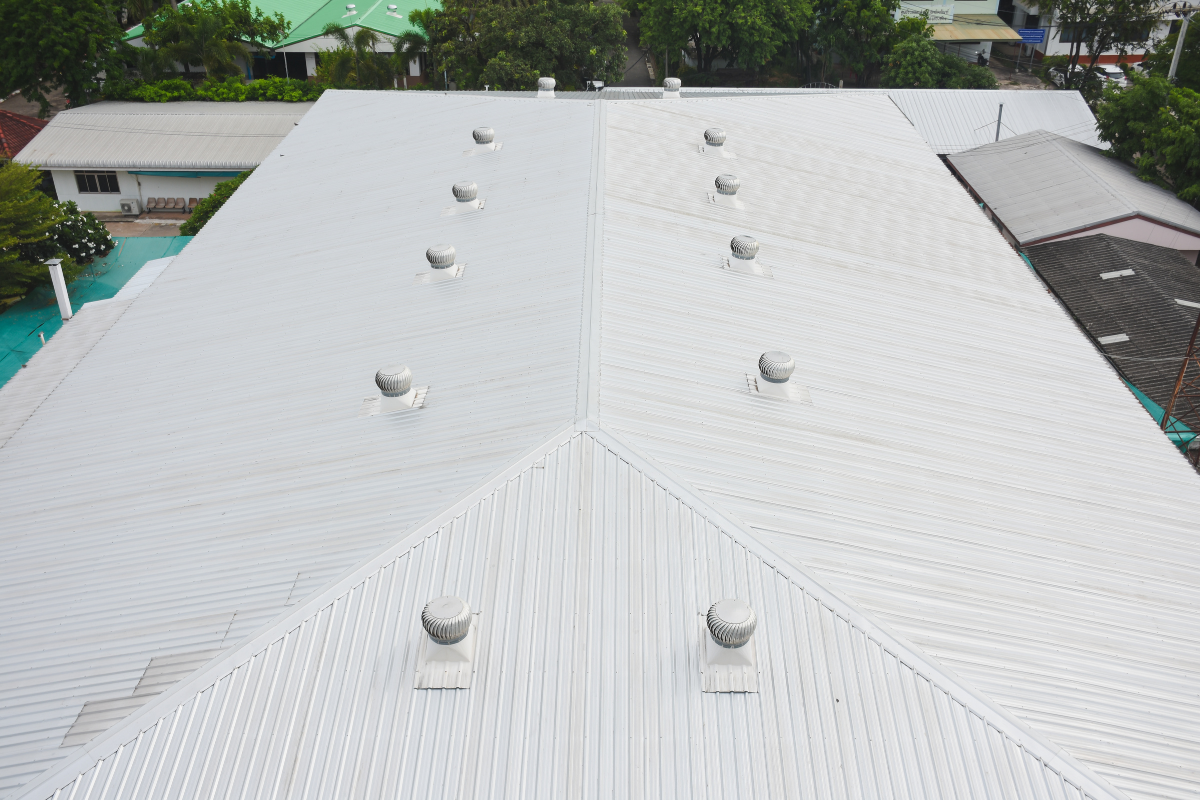
The tear-off phase is one of the most critical parts of a large commercial roofing project. Removing old materials changes the load distribution across the roof deck. If not handled carefully, this can stress structural components.
During removal and installation, careful steps are taken:
- Materials are removed in sections to avoid overloading specific areas
- Crews monitor deck conditions as old layers are stripped away
- Damaged sections are repaired before new material is installed
- Moisture barriers are placed correctly to prevent future leaks
- Flashings and seams are secured with precision
Weather planning is also essential in the Pacific Northwest. Sudden rain can expose open sections of roof. We schedule work in controlled phases and maintain watertight protection at the end of each workday.
An experienced commercial roofing contractor understands how structural stress changes during phased replacements. Managing that stress is key to preventing hidden damage.
Phased Project Management to Reduce Operational Disruption
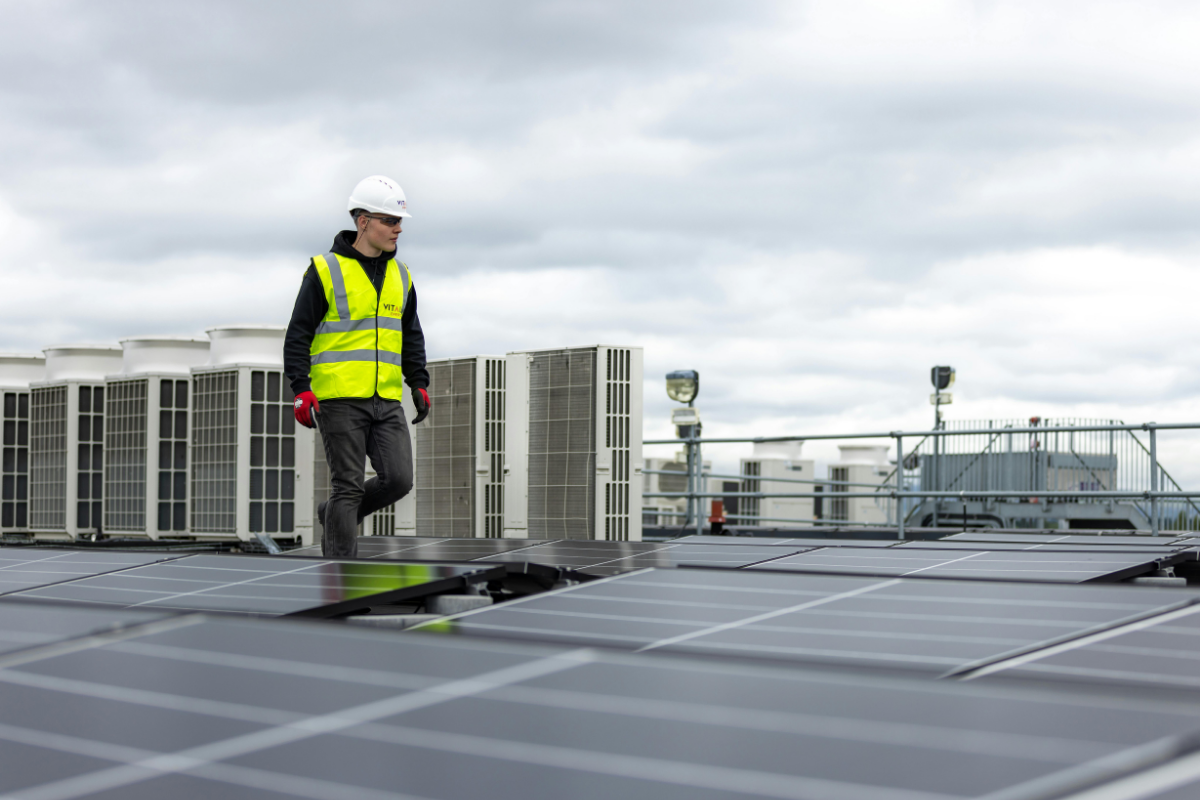
Large buildings rarely shut down completely for roofing work. Warehouses continue shipping. Retail centers stay open. Offices remain occupied. That means roofing must be handled in a way that protects business operations.
Phased project management helps reduce disruption:
- Work is divided into sections
- Each section is completed and sealed before moving forward
- Noise and debris are managed during peak business hours
- Access routes for deliveries and employees remain clear
Clear communication is part of this process. Property managers receive timeline updates and daily progress reports. If weather or unexpected conditions arise, adjustments are communicated quickly.
Reliable commercial roofing services focus on continuity, not just installation. The goal is to complete the project without interrupting daily operations more than necessary.
Post-Installation Risk Control and Long-Term Protection
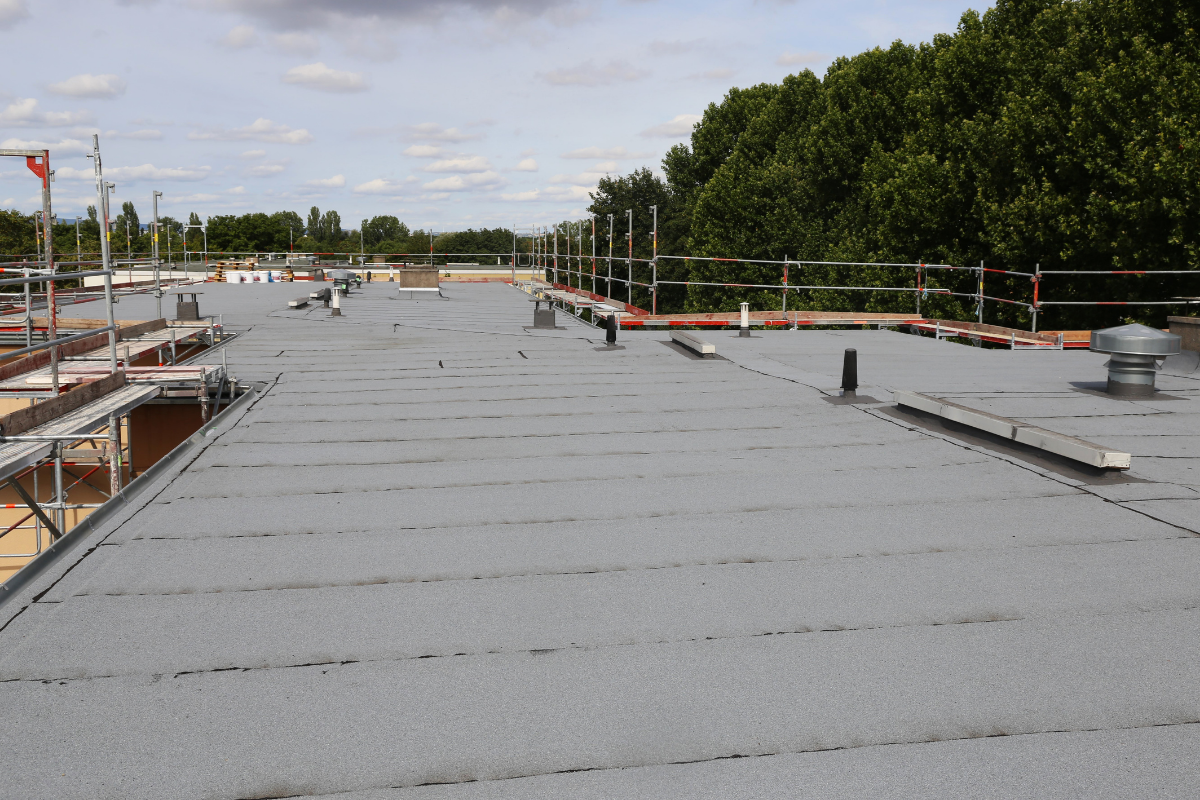
Risk management does not stop when the last sheet of membrane is installed. Final inspections are necessary to confirm that the system performs as designed.
Post-installation steps include:
- Final walkthrough inspection
- Review of seams, flashings, and drainage points
- Documentation of completed work
- Warranty registration
Preventive maintenance is also important. Even a properly installed roof requires periodic inspections. Catching minor issues early can prevent major repairs later.
Scheduled maintenance reduces long-term liability and extends roof life. It also protects the building owner’s investment.
Why Risk Management Defines the Right Partner for Large Projects

Not every roofing company is equipped to handle large-scale commercial work. Capacity alone is not enough. The ability to manage safety, compliance, scheduling, and structural concerns at the same time defines a qualified contractor.
Key indicators of a capable partner include:
- Clear safety procedures
- Detailed project planning
- Transparent communication
- Understanding of local codes
- Structured quality control checks
Large roofing projects are complex. They require coordination, discipline, and attention to detail from start to finish.
When Safety and Precision Matter Most, Partner with iDeal Roofing
At iDeal Roofing, we understand that large commercial roofing projects demand more than installation skills. They require planning, careful execution, and a commitment to safety at every stage. As a locally owned company based in Kelso, WA, we provide high-quality roof replacements, repairs, and inspections throughout Washington and Oregon.
We approach each project with clear communication, structured processes, and respect for your building and operations. From the first inspection to the final walkthrough, we focus on craftsmanship, reliability, and long-term performance.
If you are planning a large commercial roofing project, contact us to schedule an assessment. We are ready to help protect your property with precision and care.