
Heavy rain places real pressure on homes across the Pacific Northwest. Long hours of steady rainfall test roof materials, seams, and flashing in ways dry seasons never do. Many homeowners notice leaks only after water stains appear or dripping starts indoors. At that point, stress levels rise quickly, and decisions feel urgent to do an emergency roof repair. Clear guidance helps reduce damage and control costs during these moments.
This guide explains what to do first when heavy rain exposes roof problems. The focus stays on practical steps, safety, and knowing when professional help becomes necessary. Every section speaks directly to homeowners who want clear answers, not guesswork or sales talk.
Why Heavy Rain Exposes Roof Weak Points
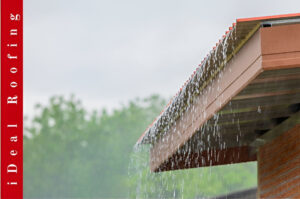
Rainfall in this region rarely arrives as a short storm. Hours or days of moisture soak roofing systems from multiple angles. Water follows gravity, wind pressure, and surface tension. Small defects turn into open pathways under these conditions.
Common weak points include:
- Aging shingles with worn surfaces
- Flashing around chimneys, vents, and skylights
- Seams on low-slope or flat roofs
- Nail penetrations where the sealant has failed
Wind-driven rain creates added stress. Water pushes upward under shingles and sideways along flashing edges. A roof that appears stable during light rain often fails during extended storms. Continuous exposure also overwhelms drainage paths, allowing water to pool and seep into hidden areas.
Immediate Steps to Reduce Interior Damage
Once water enters the home, fast action limits damage. Safety remains the top priority. Electrical hazards and slippery surfaces demand attention before any cleanup starts.
Steps to take indoors include:
- Move valuables away from water paths
Furniture, electronics, and rugs should shift away from active drips or pooling areas.
- Contain dripping water
Buckets, bins, or heavy-duty containers help control the spread across floors and ceilings.
- Relieve ceiling pressure
A bulging ceiling section holds trapped water. Controlled drainage into a container reduces the risk of collapse.
- Protect electrical areas
Shut off power to affected rooms when water approaches outlets or fixtures.
- Ventilate safely
Fans placed away from water sources support drying once rain slows.
Avoid climbing onto the roof during heavy rain. Wet surfaces increase fall risk, and unstable materials create further danger. Temporary indoor measures buy time until safe exterior work becomes possible.
When to Call Professional Roof Repair Services
Some situations require expert attention without delay. Temporary indoor steps only cause slow damage. Ongoing water entry signals a problem beyond basic containment.
Signs professional roof repair services should step in include:
- Active leaks are spreading across multiple rooms
- Water entering near structural elements
- Sagging ceilings or visible deck movement
- Repeated leaks after earlier patch attempts
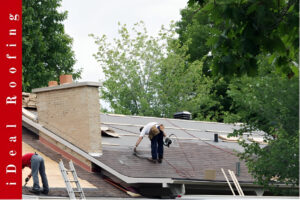
Professional crews assess damage accurately under wet conditions. Trained eyes spot failure points homeowners often miss. Proper tools and materials support temporary weatherproofing during storms and permanent repairs once conditions improve.
Delaying professional help increases the scope of the repair. Moisture trapped in insulation and framing leads to rot, mold growth, and higher restoration costs.
What Emergency Roof Repairs Typically Address

Emergency repairs focus on stopping water entry first. Full restoration follows after storms pass.
Active Leaks
Technicians identify leak sources through surface inspection and interior tracing. Common repair targets include:
- Compromised flashing around penetrations
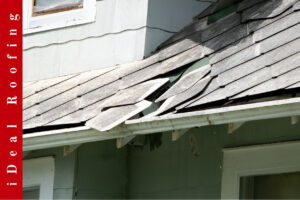
- Torn or lifted shingles
- Open seams on low-slope roofs
Temporary seals and reinforcements stabilize these areas until permanent materials become suitable.
Storm-Related Damage
Heavy rain often arrives with wind. Wind damage exposes the underlayment and decking. Emergency work secures loose materials and prevents further lifting.
Actions often include:
- Refastening displaced shingles
- Covering exposed sections with protective membranes
- Securing flashing edges
Temporary Weatherproofing
Temporary solutions protect the structure during ongoing rain cycles. These measures stop active leaks and prevent interior damage while waiting for dry conditions.
Weatherproofing steps involve:
- Reinforced coverings
- Sealant application where appropriate
- Controlled water diversion away from vulnerable areas
Why a Qualified Roof Repair Contractor Matters
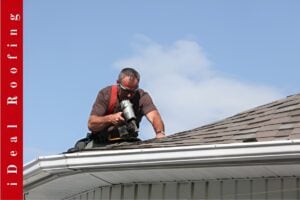
Emergency situations demand skill, preparation, and accountability. A qualified roof repair contractor brings experience in safely and correctly handling wet-weather repairs.
Key reasons professional involvement matters:
Accurate diagnosis
Water entry points often differ from visible stains. Professional assessment prevents damage.
Proper materials
Emergency-grade materials withstand moisture and pressure during storms.
Safety standards
Trained crews follow safety procedures for wet surfaces and steep slopes.
Documentation
Clear records support insurance claims and future maintenance planning.
Working with an established contractor reduces the risk of repeat failures. Short-term fixes without proper assessment often lead to recurring leaks during the next storm cycle.
Preparing for Permanent Repairs After the Storm
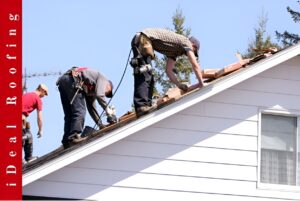
Once the rain subsides, a full inspection determines the next steps. Emergency work stabilizes the situation, while permanent repairs restore long-term protection.
Post-storm preparation includes:
Detailed roof inspection
Surface materials, flashing, decking, and drainage systems receive review.
Interior assessment
Attics and ceilings show signs of moisture migration or insulation damage.
Emergency roof repair planning
Scope definition prevents incomplete repairs and future surprises.
Scheduling work during dry conditions
Dry weather ensures proper material adhesion and long-term performance.
Homeowners benefit from clear explanations during this stage. Understanding repair scope supports informed decisions and budget planning.
Early Response Limits Roof Damage and Repair Costs
Heavy rain tests every roofing system across the Pacific Northwest. Quick action, clear priorities, and professional support protect homes from escalating damage. Indoor containment helps initially, but long-term protection depends on skilled assessment and repair work. Emergency response sets the stage for lasting solutions when storms pass.
We support homeowners through every step of emergency roof repair, from immediate stabilization to permanent restoration. Our team understands regional weather patterns and roofing systems built for constant moisture. When heavy rain exposes roof problems, reach out to iDeal Roofing for reliable, professional support.