
How to Spot Signs of Roof Damage Early: 10 Warning Signs
Your roof protects your home every day, yet most damage starts quietly. Small issues often grow out of sight until water stains, drafts, or costly repairs appear. Many homeowners only notice roof problems after damage spreads inside. Early awareness helps prevent stress, high repair bills, and safety concerns.
Roof damage develops from weather exposure, material aging, and daily wear. You do not need roofing experience to notice early signs. Learning what to look for helps you act sooner and speak with a professional before damage spreads. Below are ten warning signs every homeowner should know.
Common Early Signs of Roof Damage Homeowners Should Know
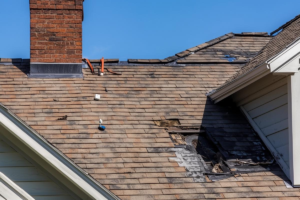
Roof damage rarely begins with a sudden leak. In many homes, warning signs appear gradually on the roof surface, in the attic, or inside living spaces. These signs often indicate reduced protection against moisture and temperature changes.
Recognizing early issues gives you time to plan inspections, maintenance, or repairs. The following ten signs highlight common problems seen by professionals during residential roof evaluations.
-
Shingles That Curl, Crack, or Go Missing
Shingles form the first layer of protection against rain and sun. When shingles curl upward, crack, or fall off, the roof surface loses coverage. Wind and rain reach the underlayment more easily.
Watch for:
- Edges lifting or bending
- Visible cracks across shingles
- Bare spots where shingles once sat
These signs often point to aging materials or prolonged weather exposure.
-
Granules Collecting in Gutters
Asphalt shingles contain granules designed to protect against sun damage. Over time, granules loosen and wash into gutters. A small amount is normal, though heavy buildup signals surface wear.
Granule loss reduces:
- Sun protection
- Water resistance
- Shingle lifespan
Gutters filled with dark grit deserve attention.
-
Dark Streaks or Algae Growth
Dark streaks on shingles often form from moisture buildup. Algae and organic growth trap water on the roof surface. Prolonged dampness weakens shingles and speeds material breakdown.
Growth tends to appear in shaded areas where sunlight dries surfaces slower. Routine inspection helps identify this issue early.
-
Sagging or Uneven Roof Lines
A roofline should appear straight and stable. Sagging sections indicate stress beneath the surface. Structural issues often develop from moisture exposure or weakened decking.
Warning signs include:
- Dips along ridges
- Uneven edges
- Visible low spots from ground level
Structural concerns require professional evaluation without delay.
-
Damaged Flashing Around Roof Openings
Flashing seals areas where the roof meets chimneys, vents, and skylights. Cracked or loose flashing allows water entry at vulnerable points.
Common flashing issues include:
- Rusted metal
- Gaps near joints
- Sealant separation
Many residential roofing services focus on flashing repairs since leaks often start there.
-
Ceiling Stains or Discoloration Indoors
Water stains on ceilings or walls signal moisture movement through roofing layers. Stains do not always appear directly below the leak source.
Look for:
- Yellow or brown marks
- Peeling paint
- Soft drywall texture
Interior signs often reflect ongoing exposure rather than a single event.
-
Daylight Visible from the Attic
Attic inspections reveal valuable clues. Light shining through roof boards points to gaps or material failure. These openings allow water and air intrusion.
Check attic spaces during daylight for:
- Pinpoints of light
- Drafts
- Damp insulation
Proper ventilation differs from structural gaps.
-
Mold Smells or Damp Odors Inside
Persistent indoor damp smells often indicate trapped moisture. Roof leaks feed humidity inside attic spaces and walls. Over time, odors spread into living areas.
This issue often develops without visible stains. Early evaluation helps prevent further spread.
-
Unexpected Increases in Energy Bills
Roof damage affects insulation and airflow. Gaps allow heat loss during cold months and heat gain during warmer periods.
Signs include:
- Uneven indoor temperatures
- Increased heating or cooling use
A residential roofing contractor often evaluates insulation performance during inspections.
-
Roof Age Near Expected Lifespan
Every roofing material has a service life. Aging roofs lose flexibility and resistance even without visible damage.
Typical lifespan factors include:
- Material type
- Installation quality
- Local weather patterns
Older roofs benefit from regular professional assessment.
Why Early Detection Matters
Addressing roof damage early limits repair scope and protects structural components. Small repairs often cost less than full replacement. Early action also helps maintain indoor comfort and property value.
Benefits of early attention include:
- Reduced repair costs
- Fewer interior repairs
- Improved energy efficiency
- Extended roof lifespan
When to Seek Professional Help for Signs of Roof Damage
Homeowners handle visual checks, though many issues hide beneath surfaces. Professional inspections reveal damage not visible from ground level.
Qualified professionals assess:
- Shingle condition
- Flashing integrity
- Ventilation balance
- Structural soundness
Scheduled inspections support long-term roof health.
Protect Your Home by Addressing Roof Damage Early
Roof damage often develops quietly, though early warning signs are clear. Paying attention to changes on your roof and inside your home helps protect your investment and safety. Acting early supports better outcomes and fewer disruptions.
At iDeal Roofing, we approach every project as a team focused on long-term protection. Our experience with residential roofing services allows us to identify issues early and recommend practical solutions. When you notice warning signs or want a professional evaluation, we are ready to help. Visit our residential roofing page to learn more or schedule an inspection with our team.