
Living in the Pacific Northwest often feels like living under a steady curtain of rainfall. Light showers turn into long storms, winds shift without warning, and roofs take the full impact of every change. Many homeowners feel unsure when choosing between metal and asphalt shingles. Both look reliable from a distance, yet the weather here exposes every weak point.
Our team meets families who want relief from leaks, moss growth, and repairs. They want honest guidance from a roofing contractor who understands local conditions and who speaks in simple terms, not pressure-driven promises. This guide was written to offer clear direction for homeowners of all backgrounds.
What Rain Does to a Roof
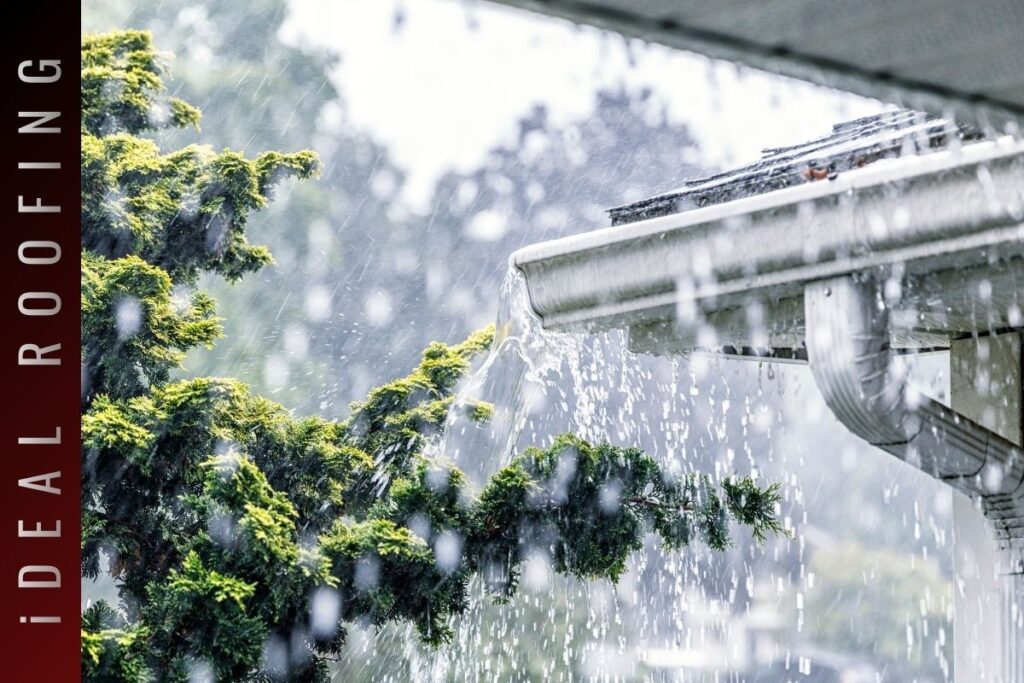
Rainfall in our region never stops for long. Moisture stays on surfaces, which places constant stress on roof layers. Water settles on shingles, moves under lifted edges, and weakens seals around vents and joints. Over time, small openings let rain in.
Humidity works against roofs as well. Asphalt surfaces lose granules more quickly in areas where moisture collects. Metal surfaces respond differently. They repel water easily but still need quality installation and correct fastener placement. Wind also plays a major part. Strong gusts move branches and debris across roof surfaces. Even small strikes lift shingles or scratch metal panels. Every season brings new challenges, so smart material selection matters.
Asphalt Shingles: Strengths, Limits, and When They Fit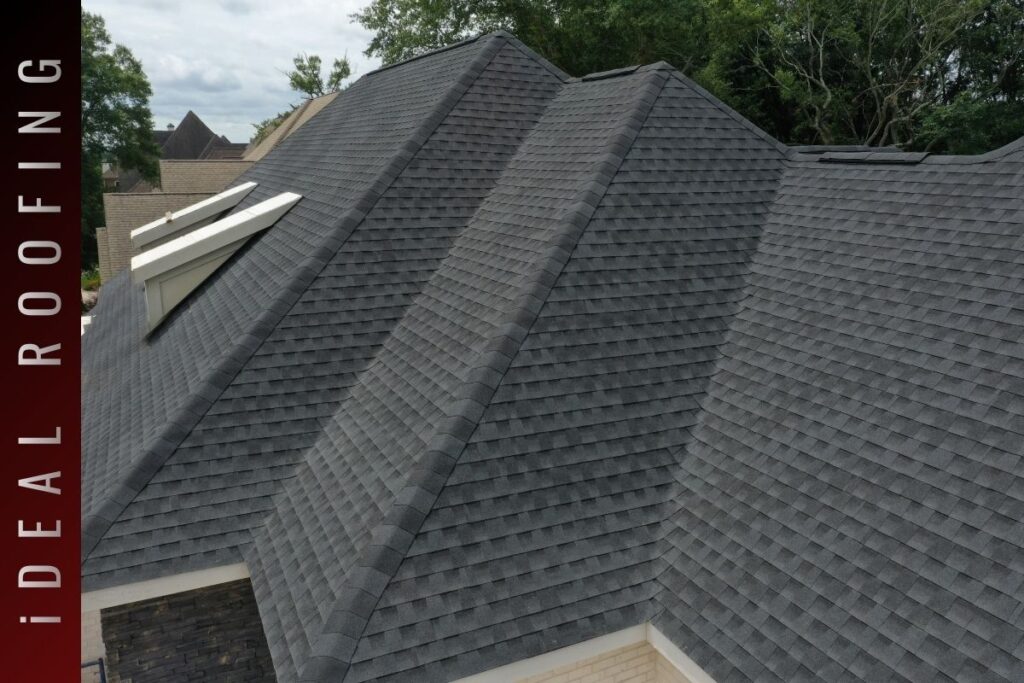
Asphalt shingles remain common across many neighborhoods. They offer a familiar style, simple replacement steps, and a dependable structure when installed with care. Homeowners who prefer a traditional look often choose this material. Repairs are straightforward, and supplies are easy to find.
Yet long exposure to our weather reduces their lifespan. Moss grows quickly on textured surfaces. Granules wash away during long seasons of rain. Edges lift once the wind and moisture weaken them. This leads to frequent inspections and periodic repairs. A local roofing contractor with real field experience helps slow this damage with scheduled cleaning and maintenance.
Asphalt works well for homes with shorter ownership plans or for buyers working within a tight budget. When installed with a strong underlayment and proper ventilation, asphalt can still perform well for many years. The key is steady care, not guesswork.
Metal Roofing: The Pacific Northwest Workhorse
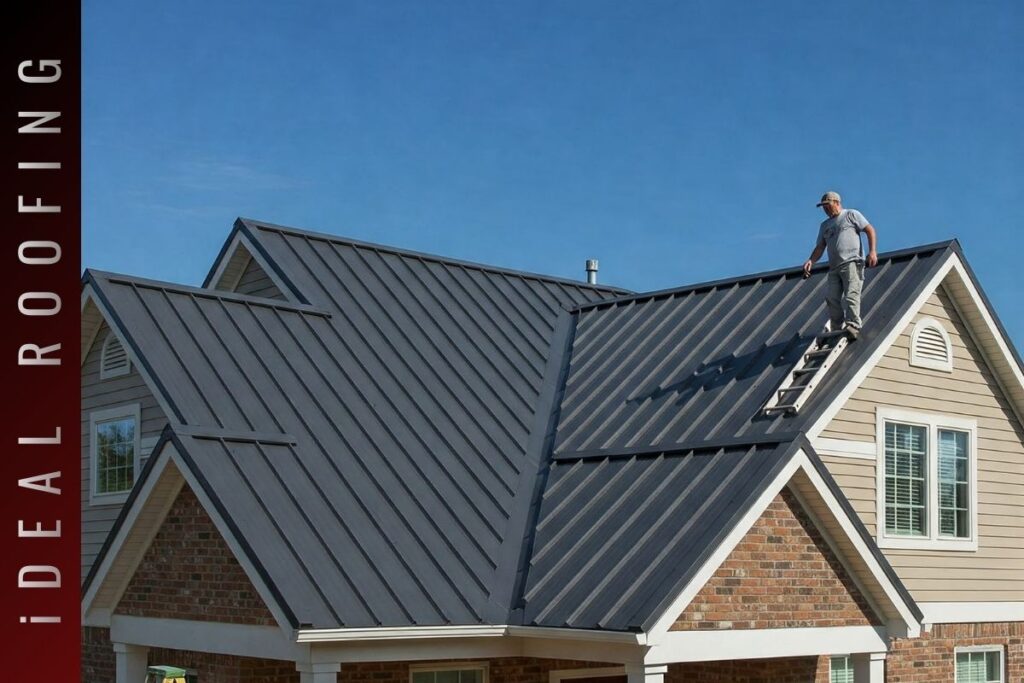
Metal roofing offers a different form of protection. Panels release water easily, and surfaces do not collect moss as fast as asphalt. Heavy storms roll over metal panels without soaking through seams when the layout is correct. Many homeowners choose this material for its long service life.
There are myths about metal roofs, especially about noise. Modern systems include solid sheathing and insulation, which reduces sound from rain. Upfront pricing is higher than for asphalt, yet durability often offsets long-term costs. Metal panels withstand rain, wind, temperature shifts, and falling debris with strength.
Installation quality matters a great deal. Panel layout, fastener spacing, flashing, and sealant work all influence long-term performance. When these steps are handled with skill, metal roofing stands out as one of the most dependable choices for our wet region.
What Fits Your Home, Budget, and Stress Level
Choosing a roof is not a simple yes-or-no decision. Every home has different needs. Before selecting material, homeowners benefit from reviewing a short list of practical factors.
Key points to consider:
- Roof pitch. Steeper roofs release rain faster. Mild slopes hold more moisture.
- Home age. Older structures need more attention to ventilation and structural support.
- Noise comfort. Some homes sit under heavy tree cover where fallen branches strike surfaces.
- Budget. Asphalt offers a lower entry price, while metal provides a longer service life.
- Maintenance habits. Homeowners who stay on top of cleaning work see a longer lifespan from any material.
- Storm exposure. Areas with stronger winds often gain more protection from metal.
Material choice matters, yet the skill level of the best roofing contractor matters even more. A strong crew delivers proper installation, clean flashing, and precise layout. These details decide how well a roof handles decades of rainfall.
A Clear Comparison for Northwest Homes
Choosing between metal and asphalt becomes easier once homeowners see how each material performs under everyday Pacific Northwest weather. Rainfall, wind, temperature swings, and heavy moisture shape how long a roof stays reliable. The points below offer a helpful look at real differences.
Rain Resistance
Metal offers smooth panels, so water runs off quickly without soaking into seams. Panels do not hold moisture, reducing the risk of mold or soft spots. Asphalt begins strong, yet repeated rainfall loosens granules and weakens edges. Once edges lift, water finds small openings.
Lifespan
Metal holds up for several decades when installed with care. Panels stay stable through long seasons of moisture and wind. Asphalt offers a shorter service life, especially in wet zones where granules fall off more quickly. Moss growth also shortens service life.
Wind Response
Metal panels lock into position through solid fasteners. Strong winds pass over smooth surfaces without lifting panels. Asphalt shingles provide good service at first, but wind can move under raised corners and push them out of place. This leads to repairs during storm season.
Maintenance
Metal surfaces need basic cleaning. Leaves, branches, and dirt slide off without much effort. Asphalt needs scheduled attention. Shingles hold moss, algae, and debris. Homeowners who enjoy simple upkeep often prefer metal for this reason.
Noise
Modern metal roofing uses underlayment and insulation that softens sound during heavy rain. Asphalt also offers quiet performance due to its layered structure—homes with proper attic insulation limit noise issues with either material.
Cost
Metal requires a larger starting budget. Asphalt offers a lower entry cost, which supports homeowners planning short-term ownership. Over the long term, metal often offsets its price through fewer repairs and a longer service life.
Best Fit
Metal suits homeowners who want long-term protection, fewer maintenance tasks, and strong resistance to fast-changing weather. Asphalt suits homeowners who prefer a familiar look, lower initial costs, and simple repair steps when needed.
When You Are Ready for a Roof That Lasts
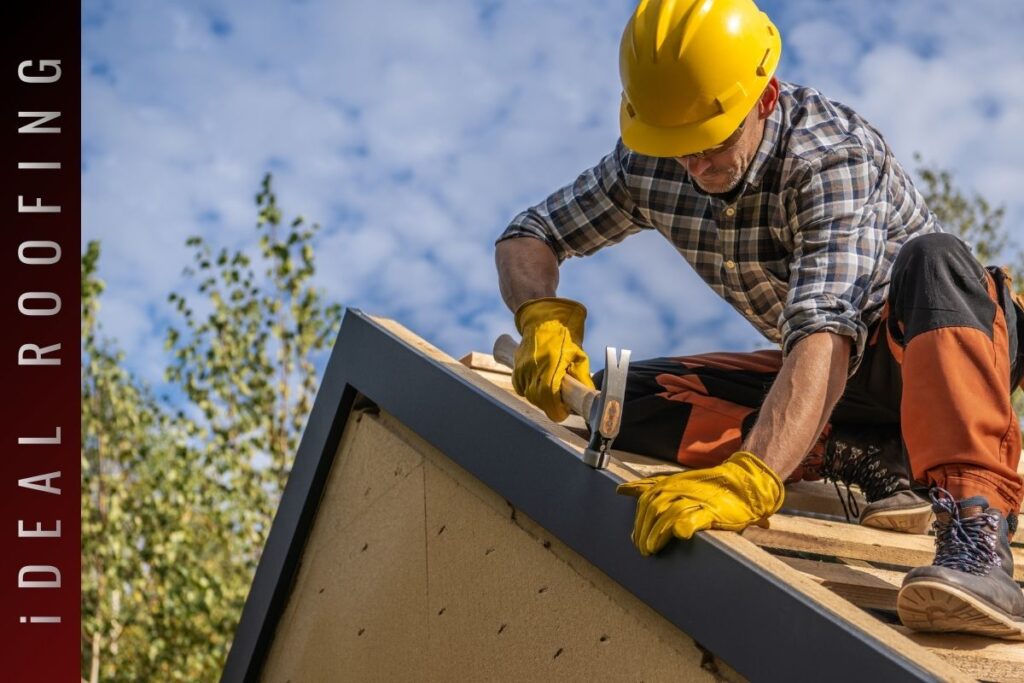
Our weather never takes a break, and roofs endure stress year-round. Families deserve clear answers and reliable guidance from professionals who work on real homes in this region, not generic advice. Our team at iDeal Roofing supports homeowners with honest inspections, practical direction, and material options suited for long-term comfort.
If you want a roof built to withstand Pacific Northwest storms, we welcome you to schedule a free inspection through idealroofingpros.com. We look forward to helping you protect your home with the right solution for your region and your budget.