
Hiring a roofing contractor often feels stressful. You face a large expense, your home is involved, and mistakes show up fast when work quality falls short. Many homeowners focus on price first, yet cost alone does not define value. The right questions help you understand what you are paying for and who is responsible at every stage of the project.
This guide outlines the most important questions you should ask before signing a roofing contract. Each section focuses on clarity, protection, and long-term results. The goal is simple. You gain control of the process, reduce risk, and choose a contractor based on facts instead of assumptions.
What Residential Roofing Services Are Included in the Quote?
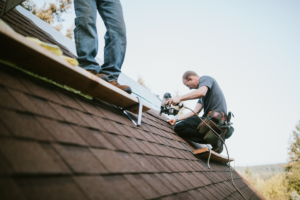
A written estimate means little without a clear scope. You should know exactly what work the contractor plans to perform and what stays outside the agreement. This question sets the foundation for every other discussion.
Ask the contractor to break down the quote in detail, including:
- Roof removal or overlay details
- Underlayment and moisture protection layers
- Flashing around chimneys, vents, and valleys
- Ventilation upgrades or adjustments
- Cleanup, debris removal, and disposal
- Permits and required inspections
When reviewing residential roofing services, clarity matters more than length. Vague language leads to disputes once work begins. A professional contractor explains each line item in plain terms and documents the full scope in writing.
Are You Licensed, Insured, and Certified for This Work?
Licensing and insurance protect you, not the contractor. Without proper coverage, property damage or jobsite injuries create legal and financial exposure for homeowners.
You should confirm:
- Active state or local contractor license
- General liability insurance
- Workers’ compensation coverage
- Manufacturer certifications tied to roofing materials
Certification also affects warranty eligibility. Some manufacturers limit coverage unless installation meets certified standards. A qualified residential roofing contractor provides documentation without hesitation.
What Roofing Materials Do You Install and Why?
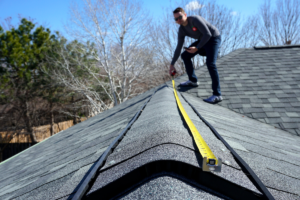
Material selection shapes performance, lifespan, and maintenance needs. You should hear clear reasons for each recommendation, not brand names alone.
Key points to discuss include:
- Suitability for local climate conditions
- Compatibility with roof slope and structure
- Expected lifespan and maintenance demands
- Warranty coverage tied to each option
You benefit when the contractor explains trade-offs. Asphalt shingles, metal panels, and other systems serve different needs. Sound guidance focuses on durability, moisture control, and long-term value rather than short-term savings.
How Will My Property Be Protected During the Project?
Roofing work affects more than the roof surface. Landscaping, siding, windows, and walkways face exposure during installation. Property protection reflects work discipline and planning.
Ask how the crew handles:
- Jobsite containment and safety barriers
- Debris management throughout the project
- Magnetic nail sweeps and cleanup routines
- Daily site organization
Clear procedures reduce damage risk and show respect for occupied homes. Contractors who plan protection steps in advance tend to manage projects with greater consistency.
What Is the Project Timeline and Who Manages It?

Timeframes matter when weather, schedules, and daily routines intersect. You should know who oversees progress and how communication flows.
Important details include:
- Expected start and finish dates
- Weather delay protocols
- On-site supervision structure
- Daily updates and contact methods
A defined timeline helps you plan and sets accountability. Reliable contractors assign a point of contact who tracks progress and addresses concerns quickly.
How Are Repairs Versus Replacements Determined?
Not every roof issue requires full replacement. At the same time, repeated repairs on a failing system increase long-term costs. Understanding how decisions are made protects your budget.
Ask about:
- Inspection methods and evaluation criteria
- Structural versus surface damage indicators
- Moisture intrusion assessment
- Cost comparison between repair and replacement
Objective assessment matters. Ethical contractors explain findings clearly and support recommendations with visible evidence rather than pressure tactics.
What Warranties Apply and What Do They Cover?

Warranty language often causes confusion. You should separate workmanship coverage from material coverage and understand limits.
Review these points carefully:
- Length of workmanship warranty
- Manufacturer warranty terms
- Transferability if you sell the home
- Coverage exclusions
Written warranty details provide peace of mind only when you understand them. A dependable contractor reviews warranty documents with you and answers questions without avoidance.
How Are Payments Structured?
Payment terms reflect business integrity. You should understand when payments occur and what milestones trigger them.
Standard topics include:
- Deposit amount and purpose
- Progress payments tied to completed stages
- Final payment conditions after inspection
Clear payment schedules protect both parties. Avoid contractors who demand full payment upfront or fail to document payment terms in writing.
Who Handles Post-Installation Support and Maintenance?
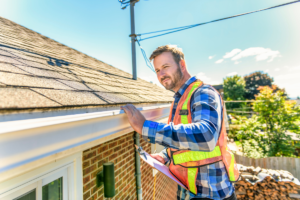
Roofing responsibility does not end once installation finishes. Ongoing support affects performance and warranty compliance.
Ask about:
- Final inspection process
- Follow-up service availability
- Maintenance guidance and inspection schedules
Long-term service access shows commitment to workmanship. Contractors who support installed systems build trust through accountability rather than promises.
Choose a Contractor Who Answers Clearly
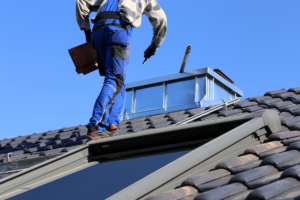
The right questions help you avoid costly surprises and unclear agreements. A professional roofing contractor welcomes informed homeowners and responds with clear documentation, structured processes, and direct communication. When answers feel evasive or rushed, risks increase.
We believe homeowners deserve transparency at every stage of a roofing project. If you are reviewing residential roofing services and want clear inspections, documented scopes, and skilled installation, we invite you to speak with our team. At iDeal Roofing, we focus on honest assessments and dependable workmanship for long-term results.