

Every Pacific Northwest homeowner knows the feeling well. Initially, you might walk into the hallway after a heavy downpour, look up, and notice a faint brown ring on the drywall. Alternatively, you might hear a faint drip inside the attic while putting away seasonal gear. Because it seems minor at first, you naturally decide to put it off. Most people delay action simply because they dread the potential roof repair cost. However, brushing off a small leak is actually one of the quickest ways to drain your wallet. After all, water never stays in one place. What starts as a simple sealant touch-up can quickly turn into a major structural overhaul instead.
What Drives Your Initial Roof Repair Cost?
Understanding how contractors price a fix helps demystify the entire process for you. To begin with, a licensed roof repair contractor looks at several variables before writing an estimate. First, they carefully check the location and scope of the damage. Next, they evaluate the pitch and height of your house. Since steep roofs require extra safety gear, labor time naturally increases as a result. Furthermore, local weather plays a big role across Washington and Oregon. Because frequent rain means materials must cure quickly, using top-quality sealant is absolutely non-negotiable.
Main Factors Behind a Simple Fix
In particular, several common issues cause early leaks:
- Cracked rubber boots around vent pipes.
- Damaged chimney flashing.
- Missing or wind-lifted asphalt shingles.
Specifically, each component requires dedicated materials. Consequently, fixes stay remarkably affordable when you catch them early on.
Why Calling a Certified Roof Repair Contractor Early Saves Money
In comparison, DIY fixes often rely on cheap hardware store caulk. Unfortunately, temporary patches usually fail when the next big Pacific Northwest storm hits. Conversely, a professional pinpoints the exact entry point right away. As a result, they fix the root problem long before water reaches the plywood decking underneath.
The Escalation Timeline: How Small Leaks Balloon Your Roof Repair Cost
Unseen water damage builds silently behind your walls and ceilings every single day. In fact, a leak rarely stays confined to the exact spot where water enters your home. Instead, moisture follows gravity and spreads across the structure over time.
Stage 1: Surface Level (Days to Weeks)
Initially, water slips past asphalt shingles or metal seams. Next, it slowly soaks into the synthetic underlayment. Fortunately, at this stage, your roof repair cost remains relatively low because the structural timber underneath remains dry and sound.
Stage 2: Deck Rot and Insulation Damage (Weeks to Months)
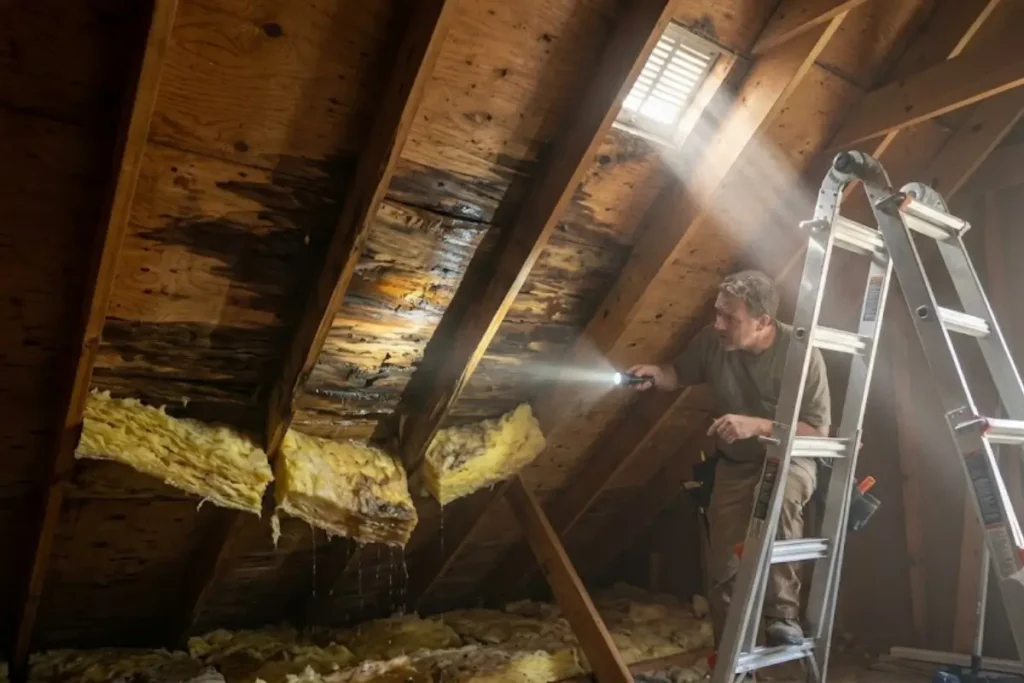
Over time, moisture eventually saturates the plywood decking. Consequently, the wood softens and rots. Thus, contractors must cut out rotted plywood sheets and rebuild the deck completely. Meanwhile, wet attic insulation loses its ability to trap heat, which directly raises your monthly power bill. According to home resilience guides from FEMA, damaged roof flashing and unaddressed leaks quickly lead to hidden wood rot and internal structural decay.
Stage 3: Structural Damage and Mold (Months+)
Ultimately, water travels down wall studs, ruining drywall and ceiling joists. Even worse, toxic mold begins to spread rapidly in dark attic spaces. Therefore, you end up paying for expensive mold remediation on top of fixing your roof.
Reliable Roof Repair Services for Different Materials

Naturally, every roofing material reacts differently to water intrusion. Because of this reality, reliable roof repair services tailor their approach to match your specific roof type. In effect, taking a customized approach guarantees that the fix lasts through harsh seasonal weather.
Shingles and Flashing
Shingle roofs are especially common throughout the Pacific Northwest. Generally, repairs involve replacing broken shingles or re-sealing failed flashing around skylights, vents, and chimneys.
Metal and Flat Roof Systems
On the other hand, flat roofs and commercial TPO systems suffer primarily from ponding water. Therefore, repairs require heat-welding patches or fixing seam separations. Similarly, metal roofs usually need new fasteners or fresh butyl tape along lap joints.
Patch or Replace? How to Decide
Occasionally, a patch repair is simply not enough. For instance, if your roof is over twenty years old and suffers from widespread damage, spot repairs become a temporary bandage. In that case, replacing the roof makes far better financial sense overall.
Navigating Homeowners Insurance to Offset Your Roof Repair Cost
Dealing with unexpected storm damage can certainly feel overwhelming. Fortunately, homeowners insurance often covers repairs caused by sudden events like falling tree branches or severe windstorms. Ultimately, understanding your policy helps you manage out-of-pocket expenses effectively.
What Insurance Typically Covers (and What It Denies)
Generally speaking, insurance policies cover sudden, accidental damage. For example, wind ripping off a whole section of shingles is typically covered. However, insurance consistently denies claims caused by neglected maintenance. Therefore, repairing minor leaks early keeps your insurance protection intact.
Working with a Local Roofing Company on Your Claim
In addition, a local contractor provides detailed photographic evidence directly to your insurance adjuster. Because they document the exact cause of damage, this speeds up approval and ensures you receive fair coverage.
Practical Ways to Keep Your Roof Repair Cost Low
Practically speaking, preventive care is the easiest way to avoid emergency service calls. Luckily, homeowners can take simple steps throughout the year to protect their property and catch issues early.
Quick Inspections You Can Do Yourself
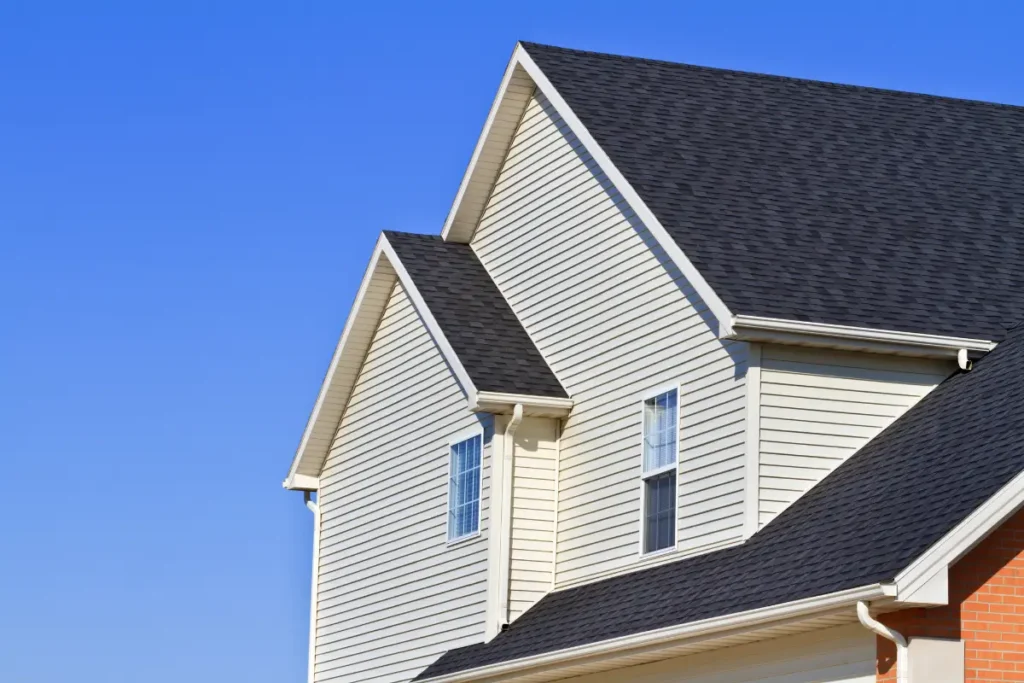
You certainly do not need to climb onto your roof to check its overall health. Instead, simply grab binoculars and inspect your roof line from the driveway:
- Look for piles of shingle granules in your gutters.
- Check for bent or rusted metal flashing.
- Watch for sagging sections along the ridgeline.
Post-Storm Checklists for WA & OR Homeowners
Always inspect your attic with a flashlight after major windstorms. Specifically, look for water stains on rafters or damp insulation. Furthermore, keep your gutters clear of pine needles and moss, because blocked gutters force backed-up water directly under your shingles.
Keep Your Home Dry with Honest Local Service
At the end of the day, ignoring a roof leak never pays off. Small drips turn into massive repair bills when water reaches your ceiling joists and insulation. Therefore, taking action today prevents costly structural repairs tomorrow.
At iDeal Roofing, we focus on craftsmanship, reliability, and honest estimates. Above all, we never sell you a full replacement when a targeted repair solves the problem. Visit our roof repair service page today to schedule your inspection and protect your investment.