
Roof Replacement Costs: What Happens If You Wait Too Long

A small stain on the ceiling or a shingle slipping off during a storm often feels like something we can ignore until a better time. Many homeowners push repairs back because the issue looks minor or life gets busy. Once the season changes or another storm arrives, they find out that small roof problems often grow quietly and turn into larger issues. The truth is that delay often leads to bigger repairs and unplanned expenses.
This blog shows what happens when replacement is postponed and how those choices affect the structure of the home, long-term spending, and safety. The goal is not to cause fear but to share clear and practical information so homeowners make informed decisions. We want readers to understand what happens inside the roof system and how early action helps control costs and protect what matters most.
The Failure Ladder
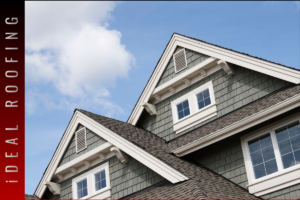
Roof damage often follows a predictable pattern. It progresses in stages even when the exterior looks normal.
- Cosmetic: Minor shingle damage and light surface wear
- Functional: Leaks start, and repairs are needed more frequently
- Structural: Moisture reaches the deck or trusses
- Systemic: Internal damage and mold begin spreading through insulation and drywall
In areas with frequent rainfall, like the Pacific Northwest, moisture moves through worn layers rapidly. If age or past repairs have weakened flashing or underlayment, water begins to pool or seep through. Once moisture reaches wood surfaces, deterioration can go unnoticed until staining or internal damage forces attention. This is often when homeowners reach out to a roof replacement contractor, but the bulk of damage may already have formed.
When the Roof Replacement Cost Builds Up
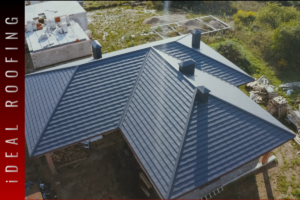
Spreading repair work over multiple years seems convenient, but it often ends up costing more. Below are typical paths homeowners face when replacement is delayed.
Scenario one: repeated patch repairs over two to four years
- Temporary leak repairs
- Emergency visits during storms
- Periodic attic inspection
Total spending often adds up to several thousand dollars with no structural improvement.
Scenario two: replacement after moisture has entered the ceilings
- Roof tear-off
- New materials and installation
- Additional spending on insulation replacement and drywall repair
- Mold check
This usually costs more than a planned replacement because interior work is now included.
Scenario three: emergency replacement following major roof failure
- Urgent appointment fees
- Temporary waterproofing or tarp
- Full roof replacement
- Structural inspection
- Possible temporary housing during work
This tends to be the most expensive approach and hardest to manage.
When repair costs accumulate in this way, the final total can exceed the amount of a well-planned replacement with healthy materials.
What Often Goes Unseen
The surface gives clues, but most changes begin below it. Common hidden issues include:
- Step leaks or damaged flashing that sit unnoticed until water stains spread
- Wet decking that starts to soften and rot
- Ventilation restriction causing moisture to stay inside the attic
- Gradual insulation breakdown from humidity
Full replacement with structured roof replacement services addresses each of these areas. Ignoring them allows the gradual failure of the protective layers and inner components.
Insurance and Warranty Factors
Many homeowners believe insurance will address roof damage, but most policies only cover sudden events. When signs of aging or deterioration have been present for some time, insurers might reduce coverage or deny the claim completely. They can determine that the issue should have been resolved earlier.
Manufacturer warranties often depend on installing materials before major wear begins. If the roof age is beyond the recommended years or the existing structure is compromised, warranty activation may be limited. A professional inspection with documentation helps secure warranty coverage. Request photos and written notes from the contractor and keep them with other home records.
When to Repair and When to Replace
Deciding between repair and replacement should follow a clear worksheet. Below are questions to answer before moving forward.
- Is the roof more than 20 years old?
- Has it required repairs two or more times in recent years
- Are there visible spots of sagging or dampness inside the attic
- Has energy usage increased due to heating or cooling loss
- Did the contractor flag concerns about the decking or underlayment
If most of these factors apply, replacement becomes the more practical route. An experienced roof replacement contractor will perform a full inspection and provide detailed images and recommendations.
Reducing Roof Replacement Costs Without Taking Risks
Some homeowners want to slow down larger work by staging repairs. This is appropriate if structural areas are intact and moisture damage is contained.
- Possible phased improvements:
- Replace damaged flashing or critical sections of underlayment
- Enhance attic ventilation to prevent future moisture build-up
- Remove visibly damaged decking areas
This works when deterioration is limited. If multiple sections across the roof are compromised, phased work masks larger issues. Review quotes carefully and ask the contractor for a breakdown that shows each cost area and whether each addresses the underlying concern or only provides temporary relief.
Preparing for a Responsible Replacement
Once a replacement is chosen, the process is manageable with the right plan in place. Below is a typical timeline.
- Inspection with photographic documentation and summary
- Written estimate based on materials and roof structure
- Permit acquisition
- Tear-off and installation
- Final inspection and cleanup
Homeowners should prepare by checking the attic for personal items, confirming driveway access for equipment, and asking how debris will be removed. Ask if nails and material waste will be magnetically swept or manually cleared before leaving. Roof replacement services typically include cleanup and permit coordination, but confirm these details in the signed agreement.
Key Questions to Ask Before Signing a Contract
Use this short checklist during a consultation.
- Are you licensed and insured
- Which materials are recommended for our climate
- How do you approach attic ventilation
- What type of warranty is included
- How do you handle debris disposal
- What is the expected timeline
- Will I receive photos of any structural concerns
- Can you provide references from recent similar projects
Each question helps determine transparency and professionalism.
Climate Considerations for Our Region
Homes in this region face continuous moisture cycles and occasional strong wind patterns. Material selection and installation should account for this. Durable underlayment and proper fastening are essential during replacement. Ventilation design also matters, as trapped moisture in the attic accelerates internal damage. Homes exposed to consistent rainfall need a roof system that directs water away efficiently and withstands prolonged damp conditions.
Why Acting Now Protects Your Home, Your Money, and Your Peace of Mind
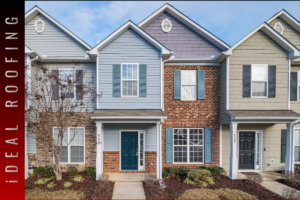
Delaying roof replacement often leads to higher costs and unexpected structural issues. Roof systems weaken gradually, and once damage reaches internal components, restoring the home involves more than replacing shingles. Scheduling a roof inspection before the next weather shift helps avoid emergency repairs, insurance disputes, and stress.
We encourage homeowners to take the step towards clarity. Reach out to iDeal Roofing for a detailed and straightforward assessment. We provide honest information, practical solutions, and licensed workmanship.
To book a professional inspection or request a full estimate, visit s and speak with our team. Knowing the real condition of your roof helps you protect your home on your terms.