

Many Pacific Northwest homeowners monitor their roofs to protect their financial investments. However, overlooking the biological impact of a compromised exterior can directly endanger your physical well-being. Recognizing the subtle signs of roof damage early protects your family from respiratory illness, toxic mold, and chronic indoor allergens.
Why You Need Certified Roof Repair Services for Hidden Moisture
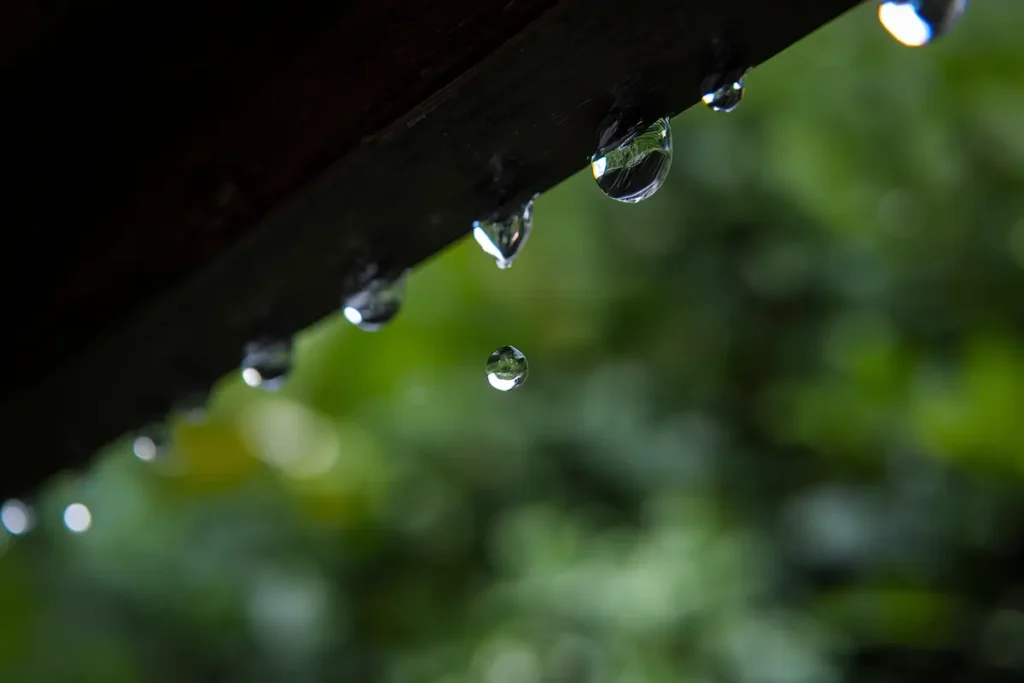
Moisture intrusion rarely stays confined to your attic space. When water breaches your shingles, it creates an immediate breeding ground for biological hazards that compromise your entire living environment. Therefore, investing in professional roof repair services prevents minor problems from escalating into severe health crises.
The 48-Hour Biological Clock
Mold spores activate with incredible speed once water saturates your roof decking. Because these organisms thrive in dark, unventilated spaces, a single rainstorm can trigger rapid growth within two days. Consequently, delaying a minor fix allows microscopic toxins to multiply silently above your ceilings.
Cross-Contamination via HVAC Systems
Attic moisture eventually interacts with your home ventilation system. When your heating and cooling units pull air from compromised structural cavities, they distribute harmful spores into every bedroom. As a result, a localized roof leak quickly turns into a house-wide air quality issue.
Respiratory Red Flags: Signs of Roof Damage You Can Breathe
You do not have to wait for a physical puddle on your living room floor to diagnose a failing structure. In fact, your body often reacts to internal environmental changes before visual symptoms manifest on your drywall. Paying attention to these physical reactions will help you identify the presence of hidden water entry.
Unexplained Spikes in Seasonal Allergies
Chronic coughing, watery eyes, and throat irritation often signal a failing roof system. Because mold spores mimic everyday dust, homeowners frequently mistake environmental illness for standard seasonal allergies. If your symptoms worsen specifically when you sit indoors, your roof likely requires immediate attention.
The Persistent Musty Odor That Won’t Go Away
A distinct, earthy smell indicates that your structural plywood is actively rotting. Cleaning your carpets or spraying air fresheners will not mask this specific odor for long. Therefore, a persistent musty scent serves as definitive proof that moisture is trapped inside your insulation.
How a Professional Roof Repair Contractor Eliminates Biological Risks
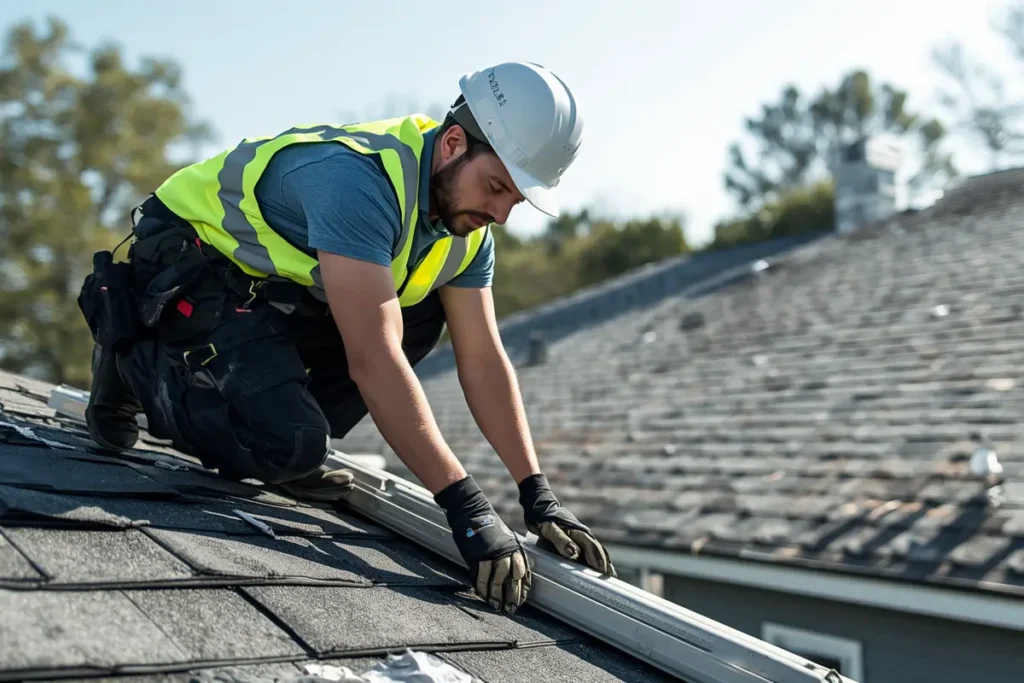
Safeguarding your household health requires a permanent solution rather than a temporary DIY patch. Certified experts understand the complex anatomy of your ventilation system, allowing them to eradicate the root cause of moisture accumulation. Hiring a qualified team ensures your indoor air remains clean and safe.
Precision Source Detection vs. Surface Patching
An experienced roof repair contractor tracks water migration back to its exact external entry point. Spraying bleach on an interior ceiling stain fixes the cosmetic discoloration, but it leaves the active leak completely untouched. True professionals seal the damaged flashing and valley underlayment to completely halt the moisture cycle.
Ensuring Proper Attic Ventilation to Stop Future Mold
Proper airflow balance acts as your primary defense against toxic airborne spores. Qualified contractors evaluate your intake and exhaust vents to ensure heat does not trap humidity against your roof deck. This strategic calibration keeps your attic dry, preserving both your shingles and your lungs.
Physical Symptoms: Signs of Roof Damage Hidden in Plain Sight
Exterior deterioration eventually forces its way into your daily sightline through undeniable structural changes. Homeowners must routinely inspect both their interior walls and exterior drainage systems for these warning signs. Spotting these physical changes early allows you to intervene before advanced decay sets in.
Discolored Drywall and Bubbling Paint
Yellow stains and peeling paint mean your drywall is holding significant amounts of water. This trapped moisture degrades building materials while releasing chemical and organic irritants into your breathing zone. For this reason, water spots demand swift professional inspection to protect your household wellness.
Shingle Granules in the Gutters and Clogged Soffits
Finding coarse black sand in your downspouts proves your outer defense layer is failing. As shingles lose their protective granules, they become brittle and highly susceptible to wind-driven rain. Consequently, this debris indicates that your home will soon be vulnerable to internal moisture problems.
Secondary Hazards: The Hidden Risks of Postponing Maintenance
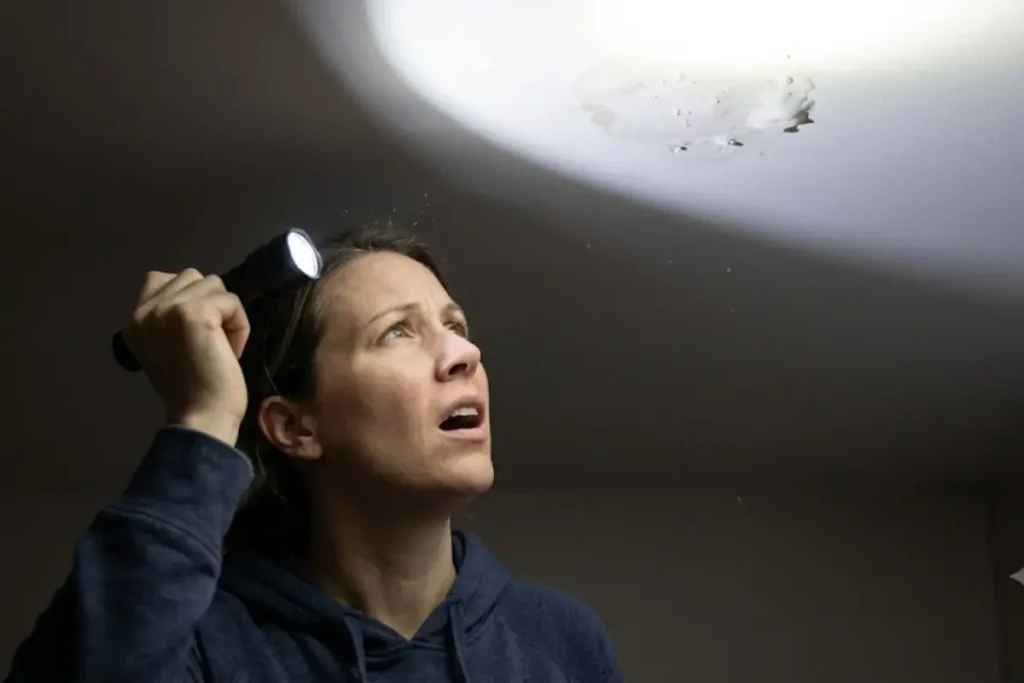
Neglecting your roofing system creates a compounding chain reaction of household hazards. Beyond air quality, trapped structural moisture attracts outside threats that further compromise your comfort and safety. Understanding these secondary dangers helps you realize why proactive intervention remains absolutely necessary.
- Pest Infestations: Softened, rotted roof decking provides an effortless entry point for termites, carpenter ants, rodents, and bats. These pests seek out damp wood to build nests, accelerating structural collapse while introducing dangerous waste into your attic.
- Electrical Fire Hazards: Water dripping through your attic ceiling frequently comes into contact with exposed electrical wiring, junction boxes, and light fixtures. This moisture creates a severe risk of short circuits, spark generation, and sudden, hidden electrical fires.
- Structural Wood Rot: Constant moisture exposure weakens your rafters, collar ties, and support beams. Over time, the wood loses its load-bearing capacity, which places your ceiling at a high risk of localized sagging or complete structural failure.
The Mental Wellness Impact of Procrastinating on Repairs
Living beneath a failing structure takes a profound psychological toll on your daily life. Homeowners frequently underestimate how much structural instability affects their emotional resilience and stress levels. Addressing your exterior issues improves your mental environment just as much as your physical space.
- Chronic Storm Anxiety: Every thunderclap or heavy rain forecast triggers a wave of panic when you know your roof is vulnerable. Instead of feeling secure inside your home, you spend stormy evenings worrying about active leaks and property destruction.
- Financial Dread: Ignoring minor issues creates a cloud of financial uncertainty. The constant worry about how much an emergency, full-scale replacement will cost causes unnecessary daily stress and prevents you from enjoying your home.
- Sleep Disruption: The rhythmic sound of water dripping into a bucket or pooling inside your ceiling joists disrupts your sleeping patterns. Chronic sleep deprivation directly weakens your immune system, leaving you even more vulnerable to the airborne mold spores in your home.
Restoring Your Home’s Protective Shield and Family Wellness
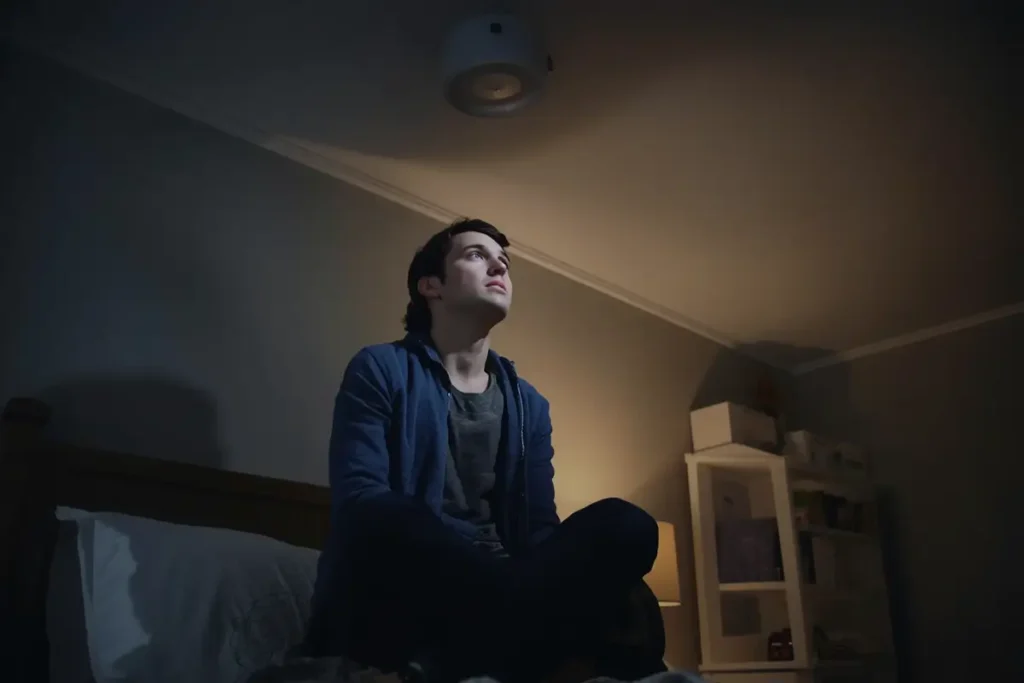
Your roof serves as a protective shield for human health, not just an asset on a sheet. True comfort during a heavy storm comes from knowing your indoor air is clean and your family is completely safe. Therefore, proactive maintenance remains the most effective choice for your household.
Do not allow minor exterior wear to evolve into an expensive, stressful medical hazard. Contact iDeal Roofing today to schedule a comprehensive, photo-documented inspection of your system. Our expert team will identify hidden vulnerabilities, deliver precise repairs, and restore your healthy living environment.