
Common Signs Your Roof Needs Repair Before Water Damage Starts

Roof problems rarely begin with a dramatic leak. Most issues start quietly, showing subtle signs long before water reaches your living space. Many homeowners notice small changes but delay action because the roof still looks intact from a distance. This delay often leads to interior damage, higher repair costs, and unnecessary stress.
A roof protects every part of your home. When early warning signs appear, quick attention protects the structure, insulation, and finishes below. Knowing what to look for helps you respond before minor damage grows into a larger repair project.
Why Early Roof Damage Should Never Be Ignored

Roof systems serve as barriers against rain, wind, and temperature changes. Once this barrier weakens, moisture can enter areas designed to remain dry. Over time, trapped moisture affects wood framing, insulation, and ceilings.
Small Defects As Signs Your Roof Needs Repair
A single damaged shingle or loose flashing allows water to move beneath the roof surface. Repeated exposure leads to:
- Wood rot along the roof decking
- Mold growth in attic spaces
- Reduced insulation performance
- Gradual weakening of structural supports
These issues rarely stay limited to one spot. Moisture travels along framing and surfaces, spreading damage beyond the original entry point.
Repair Is Often More Cost-Effective Than Delay
Early roof repair focuses on targeted fixes rather than widespread replacement. Addressing problems early often avoids:
- Interior ceiling repairs
- Insulation replacement
- Electrical system exposure
- Structural reinforcement work
Prompt action protects both safety and budget.
Exterior Warning Signs Your Roof Needs Attention
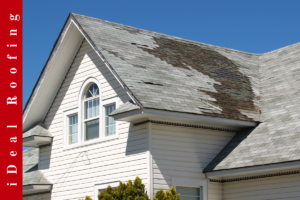
Many roof issues show visible signs from the ground. Regular visual checks help identify concerns before water reaches interior spaces.
Missing or Damaged Shingles
Shingles protect the roof surface from direct exposure. Missing or broken shingles leave sections of the roof exposed to rain and wind. Signs include uneven roof patterns or visible dark patches where shingles once sat.
Curling, Cracked, or Worn Materials
Shingles change shape as materials age or weather exposure increases. Curling edges, surface cracks, or thinning areas reduce water resistance. These changes often signal declining performance across the roof surface.
Granules in Gutters or Downspouts
Granules shield shingles from sun exposure and wear. Granule buildup in gutters points to surface erosion. Once granules wear away, shingles lose durability and water resistance.
Interior Signs Your Roof Needs Repair
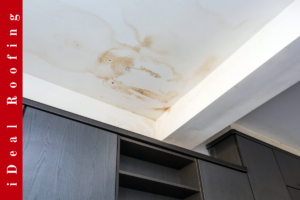
Interior symptoms often appear after water moves past the roof surface. These signs demand attention even when no active leak appears.
Water Stains on Ceilings or Walls
Discoloration on ceilings or upper walls signals moisture intrusion. Stains often appear as yellow or brown patches and grow over time as moisture exposure continues.
Peeling Paint or Bubbling Drywall
Moisture behind walls causes paint to peel and drywall to bubble. These signs indicate ongoing water exposure rather than a single event.
Unusual Drafts or Temperature Changes
Roof damage affects airflow and insulation performance. Drafts near ceilings or in upper rooms often indicate gaps caused by roof deterioration.
Structural Clues That Require Immediate Evaluation
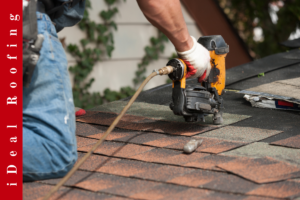
Certain signs suggest more advanced roof damage. These conditions warrant professional assessment without delay.
Sagging Roof Lines
A sagging roofline indicates stress within the roof structure. Moisture exposure weakens wood components, leading to visible dips or uneven areas along the roof edge.
Flashing and Vent Deterioration
Flashing seals roof joints and penetrations. Cracked or loose flashing around chimneys, vents, or skylights allows water entry. Vent boots and seals also degrade over time and require inspection.
When to Call a Roof Repair Contractor
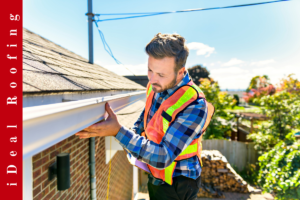
Some situations require professional evaluation rather than observation alone. A qualified roof repair contractor identifies damage not visible from the ground and recommends appropriate solutions.
After Severe Weather Events
Heavy rain, wind, or falling debris can add stress to roofing materials. Post-storm inspections help catch damage early, even when no interior symptoms appear.
If Multiple Signs Appear Together
One warning sign may point to localized wear. Several signs appearing together suggest broader system issues. A professional inspection helps determine the scope and urgency of repairs.
What Professional Roof Repair Services Typically Address
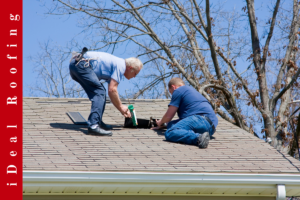
Professional roof repair services focus on restoring protection without unnecessary replacement. Service scope depends on roof type, material condition, and the extent of damage.
Leak Detection and Targeted Repairs
Accurate leak detection prevents repeat issues. Professionals trace moisture paths to identify the trustworthy source rather than surface symptoms. Targeted repairs focus on damaged sections while preserving sound materials.
Material-Specific Repair Methods
Different roofing materials require different repair approaches. Common focus areas include:
- Asphalt shingle replacement and sealing
- Metal panel fastening and seam repair
- Flat roof membrane patching and reinforcement
- Flashing and vent seal replacement
Proper methods extend roof life and maintain performance.
Take Action Before Minor Damage Becomes Major

Early roof damage rarely resolves on its own. Visible signs indicate that protection has weakened. Acting early protects your home, limits repair scope, and supports long-term roof performance.
We encourage homeowners to schedule a professional roof inspection when warning signs appear. Our team at iDeal Roofing provides thorough evaluations and reliable roof repair solutions designed to protect your home. Learn more about our roof repair services by visiting our website and scheduling an inspection with our experienced professionals.