
Most homeowners see a roof leak as a repair task, something to fix before it gets worse. In reality, the health risks of a leaky roof reach further than warped ceilings and water stains. For example, a hidden leak can quietly damage the air you breathe and the surfaces you touch. In addition, it can compromise the safety of your entire home. Therefore, before you push that drip further down your to-do list, it helps to understand what’s actually at stake.
This guide breaks down what happens inside your walls after water gets in. Furthermore, it covers who faces the greatest risk and how a qualified roofer can catch problems early. First, let’s look at what a leak really means. After all, it’s rarely as obvious as a puddle on the floor.
What Counts as a “Leaky Roof” (And Why It’s Sneakier Than You Think)
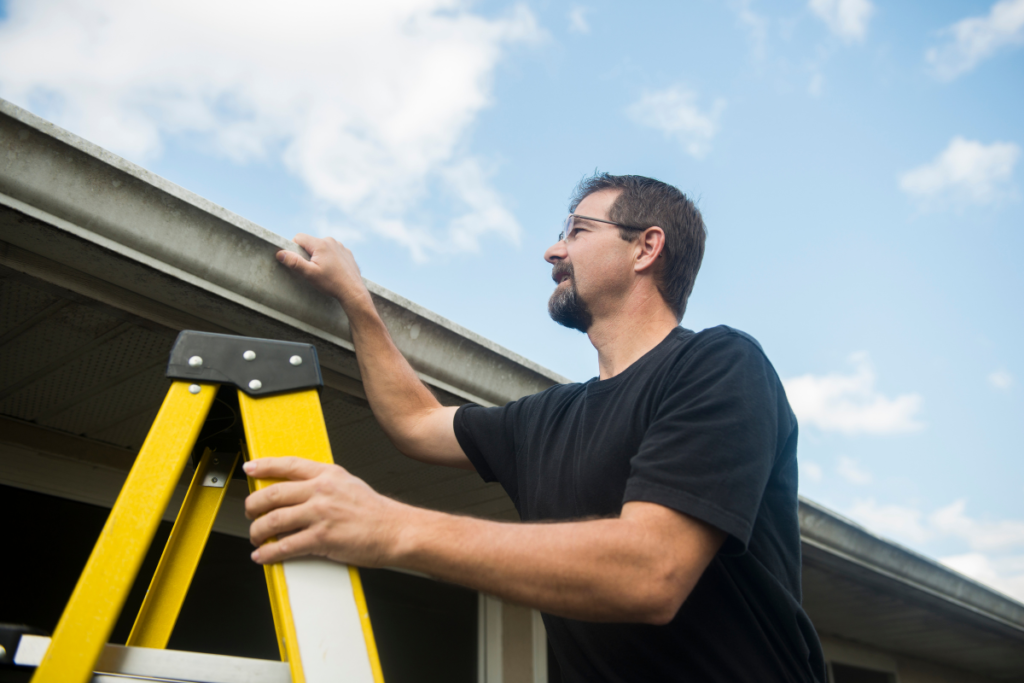
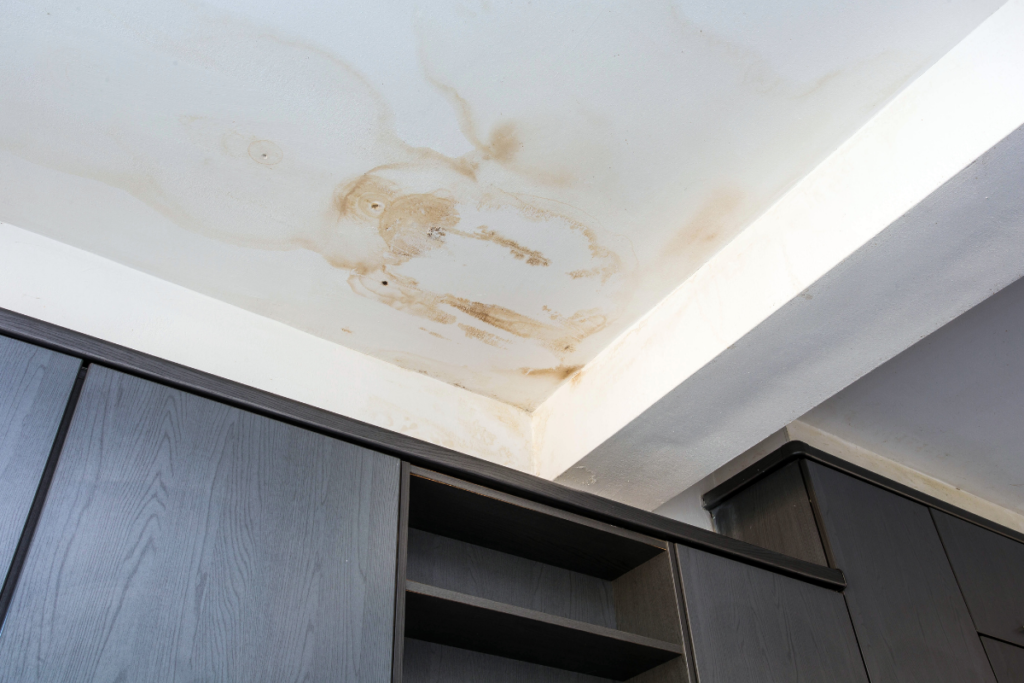
A leaking roof isn’t always visible right away. Sometimes, it announces itself with a brown ceiling stain. Often, however, it moves quietly through insulation, drywall, and framing for weeks before anyone notices. As a result, by the time you spot a sign, moisture has usually been there far longer than you’d guess.
Common Causes of Hidden Roof Leaks
Small failures cause big problems over time. For instance, cracked flashing around chimneys and vents lets water sneak in during heavy rain. Similarly, worn or missing shingles expose the roof deck underneath. Meanwhile, clogged gutters push water backward, under the roofline instead of away from it. In addition, ice dams force melted snow beneath shingles where it doesn’t belong. This is more common in colder months.
Why Small Leaks Go Unnoticed for Months
Water rarely drips straight down. Instead, it tends to travel sideways along rafters or beams. As a result, it often reaches a visible surface far from where it entered. Because of this, a leak near your chimney might show up as a stain across the room. Consequently, that delay is exactly why early inspections matter so much.
The Health Risks of a Leaky Roof You Can’t See
This is where things get serious. Once water enters your home, it creates the perfect environment for organisms and irritants. In fact, these affect your family’s health, not just your home’s structure. Below, you’ll find what tends to develop, and why it matters more than most homeowners realize.
Mold and Mildew Growth
According to the U.S. Environmental Protection Agency, mold needs only 24 to 48 hours of moisture to begin growing. Once established, it spreads through drywall, insulation, and wood framing, often out of sight. Specifically, attics and wall cavities become prime real estate for growth you won’t notice right away. That’s because they stay dark and damp for long stretches.
Respiratory Issues and Allergy Flare-Ups
Mold spores travel through the air you breathe every day. For many people, exposure triggers coughing, sneezing, and irritated eyes. Over time, moreover, prolonged exposure can worsen chronic conditions like bronchitis. It can also aggravate sinus infections, especially in homes with poor ventilation.
Asthma Triggers and Indoor Air Quality
Asthma sufferers face a higher risk in a damp home. Specifically, mold and mildew release particles that can tighten airways and trigger attacks. In addition, trapped moisture tends to lower indoor air quality overall. As a result, every room can start to feel stuffier and harder to breathe in.
Structural Mold vs. Surface Mold: Why Hidden Growth Is Worse
Surface mold on a windowsill looks bad, but it’s manageable. Structural mold, however, grows inside walls or under flooring. Often, it spreads undetected for months. Because it’s harder to reach, this hidden growth usually requires professional remediation rather than a simple wipe-down.
How a Leaky Roof Creates Hazards Beyond Air Quality
Health risks from a leak aren’t limited to mold and allergies. In fact, water intrusion also creates physical hazards that can turn dangerous fast. Moreover, these issues often develop alongside mold. Left alone, consequently, they compound the longer a leak goes unaddressed.
Electrical Hazards From Water Intrusion
Water and electrical wiring make a dangerous combination. For example, moisture near ceiling fixtures or attic junctions raises the risk of short circuits. In rare cases, it can even spark a fire. Therefore, if you notice flickering lights near a damp ceiling, treat it as an emergency, not a coincidence.
Slip and Fall Risk From Ceiling Damage
Saturated drywall weakens quickly. As a result, a ceiling that looks fine one week can sag or collapse the next, especially after sustained rain. In addition, falling debris raises the chance of injury inside your own home. Similarly, unstable flooring beneath a leak adds to that risk.
Pest Infestations Drawn to Moisture
Damp wood attracts more than mold. For instance, termites, carpenter ants, and rodents all seek out moisture-damaged areas as easy nesting spots. Once pests move in, they add another layer of damage on top of the original leak.
Who’s Most at Risk From the Health Risks of a Leaky Roof
Not everyone in your household faces the same level of risk. However, certain family members, plus pets, are more vulnerable to the effects of mold and poor air quality than others.
Infants and Young Children
Children breathe faster than adults relative to their size. As a result, they inhale more airborne particles per pound of body weight. In addition, their developing lungs are also more sensitive to mold exposure. Therefore, this makes early intervention especially important.
Elderly Residents
Aging weakens the immune system’s ability to fight off mold-related irritants. For older adults, especially those with existing respiratory conditions, prolonged exposure raises real concern. Consequently, symptoms tend to show up more often and more severely.
People With Asthma, Allergies, or Weakened Immune Systems
For this group, a damp home isn’t just uncomfortable. In fact, it’s a genuine trigger. Specifically, mold spores can prompt asthma attacks and worsen allergy symptoms. Furthermore, they can also create ongoing sinus issues that persist until the moisture problem gets solved.
Household Pets
Pets aren’t immune either. For example, cats and dogs can develop respiratory irritation and skin issues from prolonged mold exposure. This is especially true if they spend time in affected rooms like basements or attics.
Why Hiring a Professional Roofing Contractor Matters for Your Health
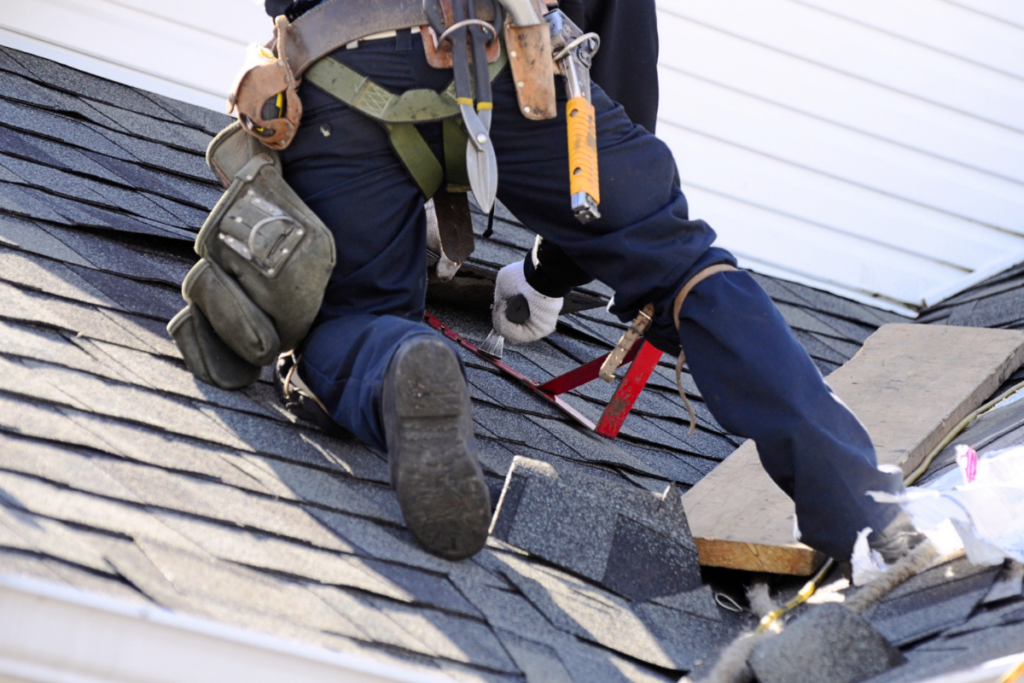
A quick patch might stop a drip temporarily, but it rarely solves the underlying issue. Instead, this is where an experienced roofing contractor makes the real difference. Ultimately, the impact reaches both your roof’s lifespan and your family’s health.
DIY Patch Jobs vs. a Full Professional Inspection
A sealant tube from the hardware store can mask a symptom, not fix a cause. In contrast, professional roofers trace a leak back to its source. Specifically, they check flashing, underlayment, and ventilation along the way. Without that full picture, therefore, the same leak often returns within a season.
What a Trained Eye Catches That Homeowners Miss
Attic moisture, subtle flashing gaps, and early wood rot rarely show up during a casual glance from the ground. However, trained inspectors know where leaks tend to hide. As a result, problems get caught before they turn into larger, costlier repairs.
Signs You Need a Local Roofing Contractor Right Now
Some warning signs are easy to miss until they’re serious. Therefore, if you notice any of the following, it’s time to call a local roofing contractor. In short, don’t wait for the problem to grow.
Visible Indoor Warning Signs
Watch for water stains on ceilings or walls, peeling paint, and a musty smell that won’t go away. In addition, bubbling paint or soft spots on drywall often mean moisture has been trapped for a while.
Attic and Roofline Warning Signs
Daylight visible through roof boards is a clear red flag. Similarly, damp or compressed insulation and sagging areas along the roofline point to trouble. In fact, these signs are easiest to catch during a seasonal inspection, before winter rain arrives.
When “Just a Small Drip” Becomes an Emergency
A slow drip can turn into a structural issue faster than expected, especially during heavy Pacific Northwest rain. Therefore, if you see active dripping, a sagging ceiling, or an electrical hazard, treat it as urgent. In that case, call for help immediately.
How to Protect Your Home and Health After a Roof Leak

Once you’ve spotted a leak, quick action limits both the damage and the health risk. Below, here’s what to do next, step by step.
Immediate Steps to Take
First, move furniture and belongings away from the affected area. Next, place a container to catch dripping water. Then, if it’s safe, ventilate the space to slow mold growth. Finally, document the damage with photos before cleanup begins.
Mold Remediation Basics
Small areas of surface mold, under about 10 square feet, can often be cleaned with soap and water. In contrast, larger or hidden growth usually calls for a professional remediation service. That kind of job, after all, needs the right equipment to handle safely.
When Homeowners Insurance May Help Cover Repairs
Many policies cover sudden, accidental water damage, though coverage varies by provider and cause. Because of this, it’s worth reviewing your policy closely. In addition, document the damage thoroughly before filing a claim.
Protect Your Family Before a Small Leak Becomes a Big Problem
A leaky roof is never just a property issue. In fact, it’s a health issue too, one that affects the air your family breathes. Additionally, it affects the safety of the home you live in. Fortunately, most of these risks are preventable with early action.
If you’ve noticed any warning signs mentioned above, therefore, don’t wait for the problem to grow. iDeal Roofing offers free inspections and honest, transparent pricing across Southwest Washington and the Portland Metro area. Furthermore, that’s backed by 16 years of hands-on experience. So call (360) 749-8900 today to schedule your free estimate and protect both your roof and your family’s health.