
A damaged roof creates pressure for any building owner. Water intrusion, rising repair bills, and safety concerns push many owners toward a quick decision. Replacement often appears like the only responsible option. Yet many commercial roofs remain structurally sound even after leaks or surface damage appear. In those cases, targeted repair work restores protection without the cost of a full replacement.
A professional inspection helps determine the correct solution. A qualified commercial roofing contractor evaluates the roof structure, drainage, membrane condition, and insulation layers. This process reveals whether damage affects a small section or the entire system. When damage remains localized, repairs extend roof life and protect the building at a lower cost.
A Costly Decision Many Building Owners Face
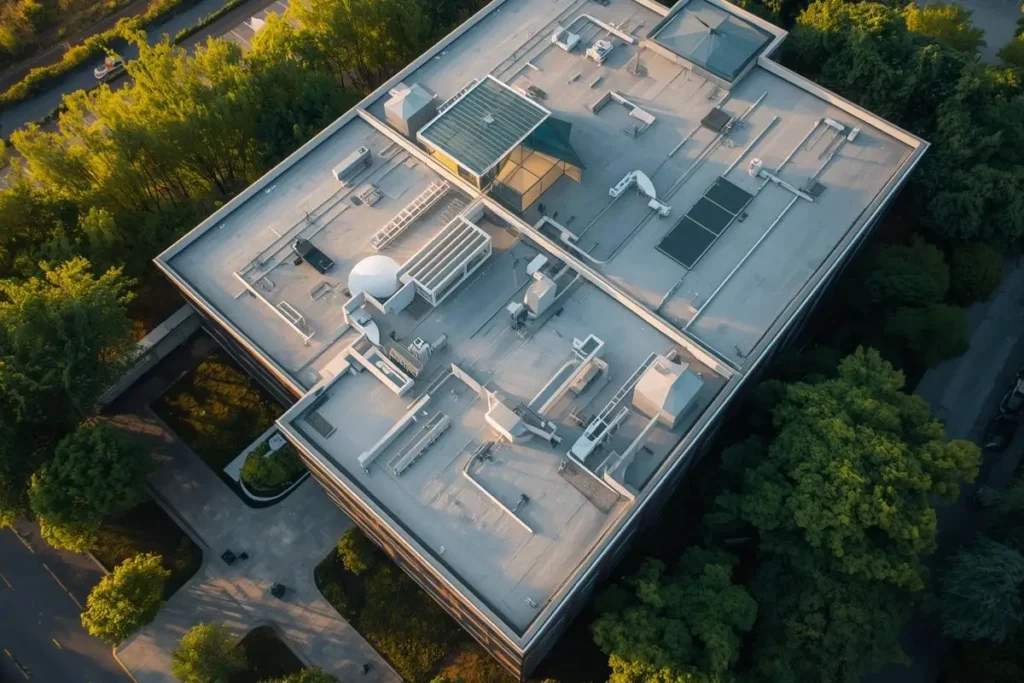
Commercial roofing systems protect offices, warehouses, retail buildings, and industrial facilities every day. Most systems perform well for decades with proper care. Yet age, weather exposure, and heavy rooftop equipment eventually lead to wear.
Many building owners assume replacement becomes necessary once leaks appear. This assumption leads to unnecessary spending. A roof repair often solves the problem when the main system stays intact.
A commercial roofing contractor reviews several key factors before recommending replacement.
Key inspection points include:
- Condition of the roof membrane
- Drainage performance
- Integrity of flashing around penetrations
- Moisture inside insulation layers
- Structural condition of the roof deck
A roof with strong structure and limited damage often benefits from repair rather than replacement.
Why Repair Is Often the First Option in Commercial Roofing Services
Roof replacement ranks among the largest maintenance costs for a commercial property. For this reason, professional commercial roofing services focus on repair when the system still performs well overall.
Repair work offers several advantages.
Lower project cost
Repair work focuses on small sections rather than the entire roof surface. Labor and material costs stay lower.
Less disruption to business activity
Large roof replacements involve tear off, material staging, and heavy equipment. Repairs often finish within a shorter timeframe with fewer interruptions.
Extended roof life
Early repairs prevent minor damage from spreading across the system. This approach extends the roof’s service life.
Better budgeting for property owners
Repairs allow building owners to plan long-term capital improvements rather than rushing into replacement.
A detailed inspection determines whether these benefits apply to your building.
#1: Localized Leaks Instead of Widespread Moisture
Small leaks are among the most common commercial roofing issues. Many leaks develop in isolated areas where the roofing system experiences stress.
Common sources include:
- Roof penetrations
- Flashing joints
- Seams between membrane sections
- Rooftop equipment mounts
When water intrusion is limited to one area, repair work can solve the issue without replacing the entire roof.
Repair crews often address these leaks through patching, resealing, or reinforcing seams. Once repaired, the surrounding membrane continues to protect the building.
#2: Minor Membrane Damage
Commercial roofing membranes handle sun exposure, temperature changes, and foot traffic throughout the year. Small surface damage develops over time.
Common examples include:
- Small punctures from dropped tools
- Surface cracks caused by aging materials
- Short seam separations
Modern roofing materials allow targeted repair work. Technicians repair punctures using membrane patches. Heat welding restores seams on TPO systems. Protective coatings seal small cracks.
These repairs restore waterproof protection while leaving the rest of the roof untouched.
#3: Flashing Issues Around Roof Penetrations
Roof penetrations create natural weak points in any roofing system. HVAC units, pipes, vents, and skylights require flashing materials to prevent water intrusion.
Flashing often fails before the main roof system.
Common flashing issues include:
- Dried sealant
- Cracked metal flashing
- Loose flashing edges
Technicians correct these problems by resealing, reinforcing, or replacing the flashing. Once repaired, the roof system continues operating normally.
#4: Drainage Problems That Have Not Caused Structural Damage
Flat and low-slope commercial roofs rely on proper drainage. Water must move toward drains, scuppers, or gutters.
Drainage problems can be indicated by several warning signs.
- Standing water after rain
- Slow water movement toward drains
- Debris buildup near drainage points
Early drainage problems often require simple solutions.
Possible repair actions include:
- Clearing debris from drains
- Adjusting roof slope using tapered insulation
- Installing additional drainage points
These corrections prevent water buildup and protect the roofing membrane.
#5: A Roof Still Within Its Service Life
Commercial roofs have predictable service life ranges depending on the materials used.
Typical lifespan estimates include:
- TPO membranes: 20 to 30 years
- Modified bitumen systems: about 20 years
- Metal roofing systems: 40 years or longer
A roof halfway through its expected life often responds well to repair work. Replacement becomes more common once materials reach the end of their design life.
A professional inspection determines whether the system still holds structural value.
#6: No Evidence of Saturated Insulation
Insulation layers sit beneath the roof membrane and support energy efficiency. Water penetration into insulation creates larger problems.
When insulation absorbs moisture, the roof system begins losing strength and thermal performance.
Signs that insulation remains intact include:
- Recent leaks
- Small areas of moisture
- No large bubbles or membrane lifting
In these conditions, repair crews remove the damaged section and restore the membrane. The rest of the roof continues performing well.
#7: The Roof Structure Remains Solid
The roof deck forms the structural foundation of the entire system. Steel, wood, or concrete decking supports insulation and membrane layers.
Structural damage signals larger problems.
Serious warning signs include:
- Sagging roof sections
- Large areas of membrane failure
- Persistent leaks across multiple areas
A strong roof deck allows repair work to remain effective. Once the structure weakens, replacement becomes necessary to protect the building.
When Replacement Becomes the Better Option
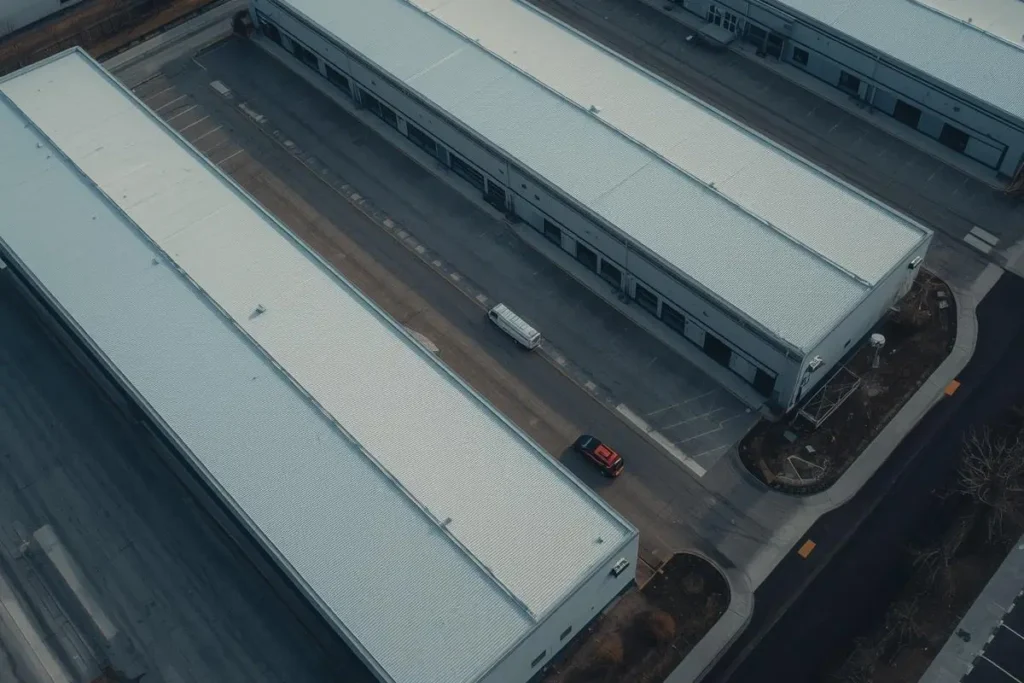
Repairs can extend a roof’s life for many years when the system remains stable. Yet every roofing system reaches a point where replacement offers better value.
Sign replacement becomes necessary when:
- Repeated leaks across the roof surface
- Large storm damage areas
- Aging materials beyond service life
- Extensive moisture within insulation layers
At this stage, repair work becomes less cost-effective. A commercial roofing contractor evaluates these conditions and recommends the best path forward for the building.
Protecting Your Roof With Regular Commercial Roofing Services
Routine inspections protect commercial roofs from major damage. Many problems begin small and grow over time when ignored.
Scheduled commercial roofing services provide several benefits.
- Early detection of leaks
- Drainage system cleaning
- Sealant inspection around penetrations
- Preventive repair of small membrane damage
Most experts recommend roof inspections at least twice each year. Spring and fall inspections catch seasonal damage early.
Consistent maintenance extends roof life and protects building operations.
Smarter Way to Decide Between Roof Repair and Replacement
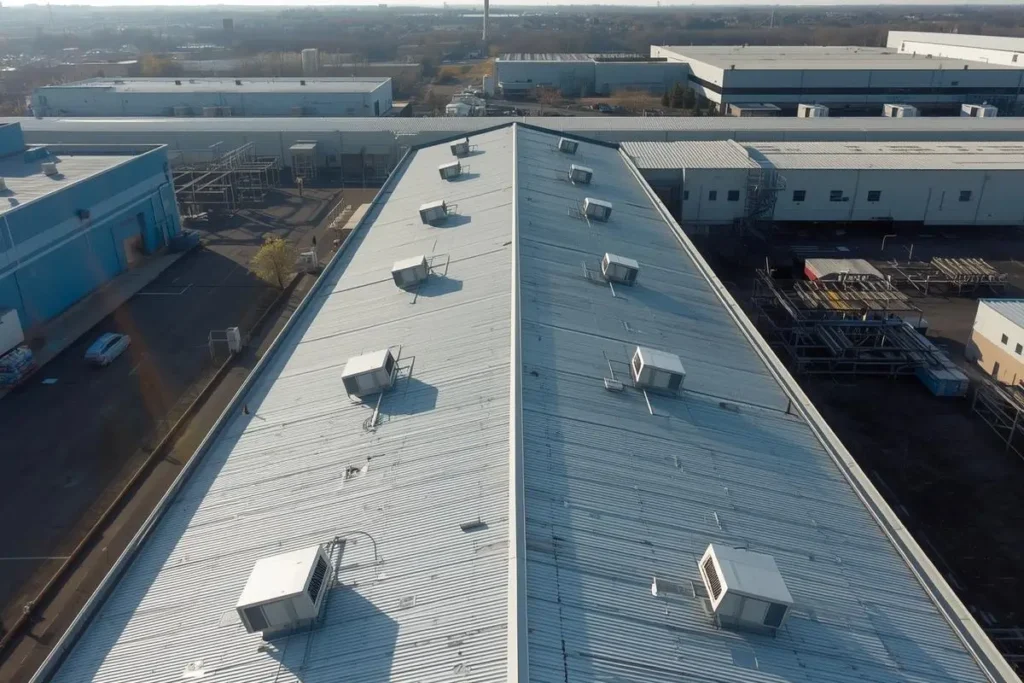
Commercial roof problems require clear evaluation and honest guidance. Repair remains the correct solution for many buildings when the roof system stays structurally sound.
Our team at iDeal Roofing focuses on practical solutions for property owners across Washington and Oregon. We inspect each roof carefully and explain the condition of every major component. When repair protects the building and extends the roof’s life, we recommend it. When the roof reaches the end of its service life, we explain replacement options.
If your building shows signs of roof damage, a professional inspection provides the next step. Our team at iDeal Roofing delivers dependable commercial roofing services designed to protect your property and help you plan long-term maintenance with confidence.