
Owning or managing a commercial building in the Pacific Northwest comes with a unique set of challenges. The region is known for frequent rainfall, cool temperatures, and long stretches of cloudy weather. While these conditions shape the character of Washington and Oregon, they also create constant pressure on commercial roofing systems. Over time, moisture, debris, and organic growth can slowly wear down even well-built roofs.
For business owners and property managers, roof problems rarely appear overnight. Small issues often build quietly until they become costly repairs. That is why regular inspections and maintenance are important. Working with a qualified commercial roofing contractor helps businesses identify risks early and protect their buildings before small problems turn into major damage.
Commercial roofs face three major threats in this region: rain exposure, moss growth, and poor drainage. Understanding how these factors affect roofing systems can help businesses plan the right maintenance strategy.
Rain Exposure and the Risk of Persistent Moisture
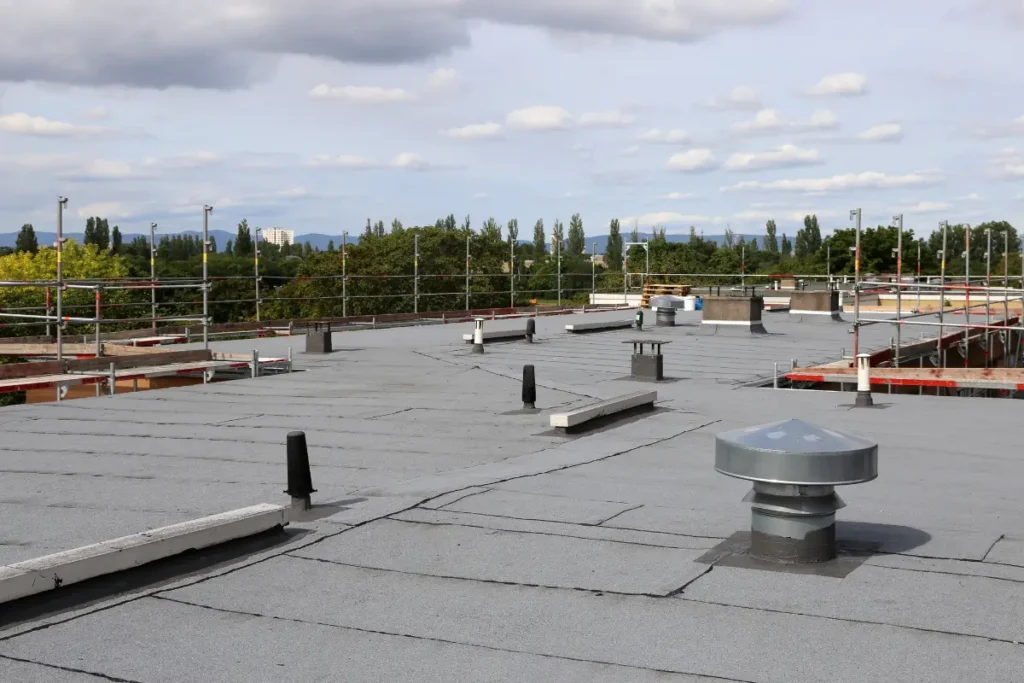
Rain is part of everyday life in the Pacific Northwest. While roofing systems are designed to handle moisture, constant exposure still creates stress over time. Commercial buildings often use flat or low-slope roofs, which do not shed water as quickly as steep residential roofs.
Persistent rainfall can lead to several issues:
- Water collecting in small depressions on the roof surface
- Gradual weakening of seams and roofing membranes
- Moisture finding its way under flashing or roofing layers
When moisture remains on the roof for long periods, it increases the risk of leaks and material damage. Even small openings can allow water to enter and affect insulation, decking, and interior ceilings.
Structural Areas Most Vulnerable to Water Damage
Certain areas of a commercial roof tend to experience more wear from rain exposure. These locations often require extra attention during inspections.
Common vulnerable areas include:
- Flashing around equipment such as HVAC units
- Roof penetrations where vents or pipes pass through the roof
- Seams and joints in roofing membranes
- Drain openings where debris may collect
These points act as transitions between materials. Over time, water can slowly weaken these areas if they are not inspected regularly.
Preventive Measures Businesses Should Prioritize
Preventive care helps reduce the long term effects of heavy rainfall. Business owners can protect their roofs by focusing on a few practical steps.
Important maintenance practices include:
- Scheduling regular roof inspections
- Checking drainage paths after storms
- Repairing small leaks quickly before they spread
- Monitoring roof surfaces for ponding water
Routine maintenance is one of the most effective ways to reduce unexpected repairs.
Moss and Organic Growth on Commercial Roofs
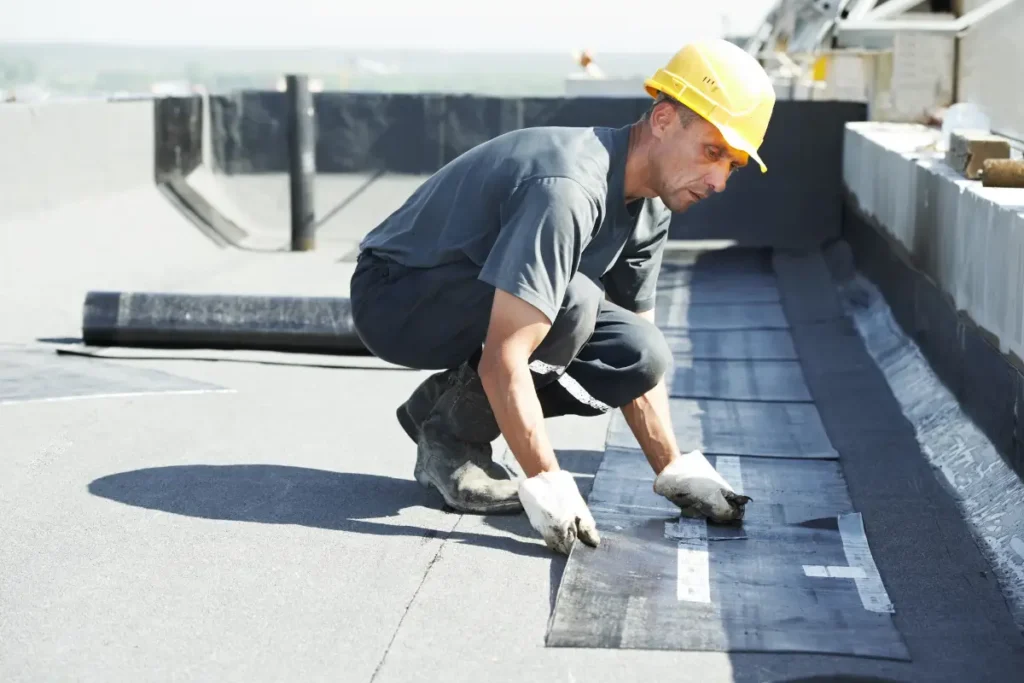
The Pacific Northwest climate creates the perfect environment for moss and organic growth. Moist air, frequent rain, and limited sunlight allow moss to grow easily on roof surfaces. When leaves and debris collect on a roof, they trap moisture and provide nutrients for moss to spread.
Flat and low-slope roofs are especially vulnerable because they hold moisture longer. If organic debris is not removed regularly, moss can slowly cover large sections of the roof.
How Moss Impacts Roofing Materials
Many people see moss as a cosmetic issue, but it can affect roofing materials in several ways.
Moss can cause problems such as:
- Holding moisture against roofing surfaces
- Slowing down water drainage
- Weakening protective coatings on roofing materials
- Gradually lifting seams or edges of roofing components
When moss remains on a roof for extended periods, it increases the chance of moisture damage. This is why many commercial roofing services include routine cleaning and surface inspections.
Maintenance Practices That Reduce Moss Growth
Controlling moss growth requires consistent upkeep. Businesses can reduce the risk by focusing on simple maintenance tasks.
Effective strategies include:
- Clearing leaves and organic debris from the roof
- Keeping drainage areas open
- Scheduling professional roof cleaning when necessary
- Inspecting roof surfaces during seasonal transitions
These steps help prevent moss from gaining a strong foothold on commercial roofs.
Drainage Failures and Water Accumulation
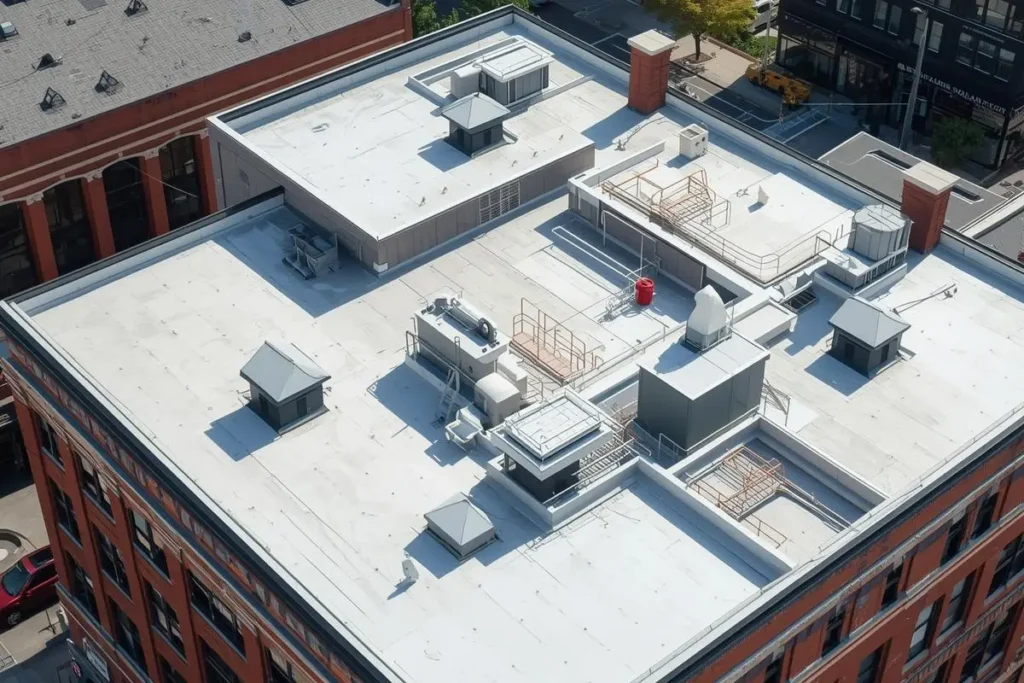
Drainage is one of the most important parts of any commercial roofing system. Because many commercial roofs are flat or nearly flat, they rely on drains, scuppers, and downspouts to move water away from the building.
When drainage systems work properly, water flows off the roof quickly after rainfall. However, when drains become blocked or damaged, water can remain on the roof surface.
Standing water places extra weight and pressure on roofing materials. Over time, this can lead to leaks, membrane damage, or structural concerns.
Early Signs of Drainage Problems
Drainage issues usually develop slowly. Recognizing early warning signs can help prevent more serious damage.
Common indicators include:
- Water remaining on the roof long after rainfall
- Overflowing roof drains during storms
- Debris collecting around drainage openings
- Interior ceiling stains or moisture marks
If these signs appear, it is important to have the roof inspected by a commercial roofing contractor before the issue worsens.
Preventive Drainage Maintenance
Drainage systems require regular care to function properly. Even small amounts of debris can block water flow.
Preventive maintenance often includes:
- Removing leaves and debris from drains
- Checking scuppers and downspouts
- Inspecting drainage areas during seasonal changes
- Confirming water flows away from the building
These steps help reduce the risk of water buildup on commercial roofs.
Why Preventive Maintenance Matters for Business Properties
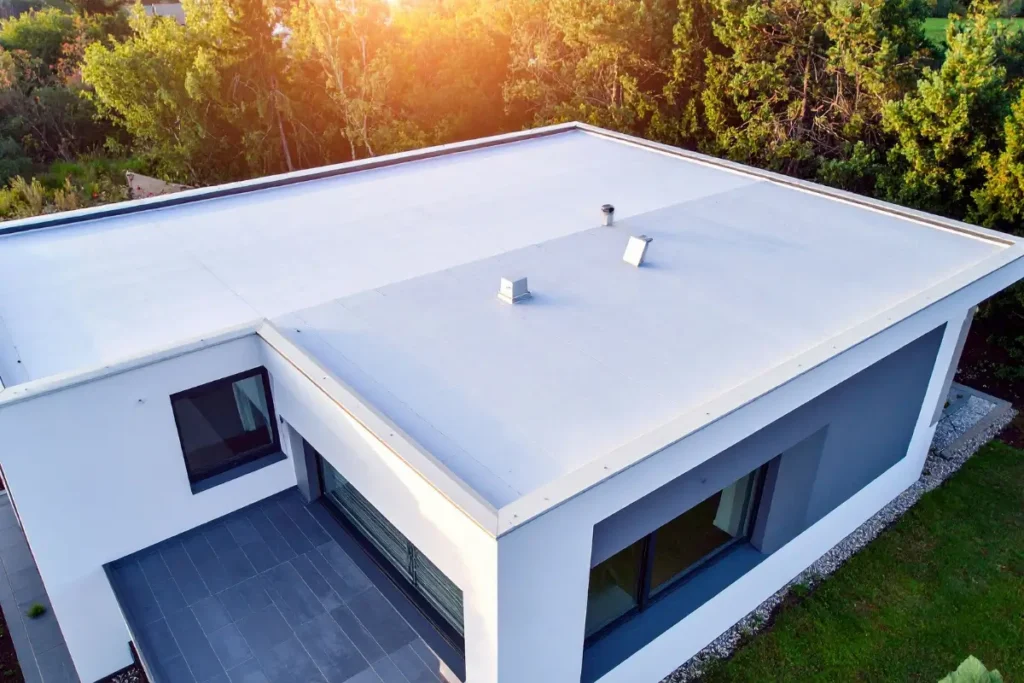
Many roofing problems begin as small issues that are easy to overlook. Regular inspections allow professionals to identify these problems early.
During routine inspections, technicians check for:
- Loose or damaged flashing
- Signs of membrane wear
- Drainage problems
- Surface damage caused by weather or debris
By catching these issues early, businesses can address them before they turn into larger repairs.
What Professional Roof Maintenance Typically Includes
Professional maintenance programs are designed to protect roofing systems over time. Many commercial roofing services include the following steps.
Typical maintenance tasks may include:
- Roof surface inspection
- Flashing and penetration checks
- Drain cleaning and debris removal
- Leak detection and minor repairs
- Evaluation of seams and roofing materials
These services help maintain roof performance and extend the life of the roofing system.
How Maintenance Supports Long-Term Roof Performance
A well-maintained roof can last many years longer than one that receives little attention. Maintenance provides several benefits for business owners.
These benefits include:
- Lower long term repair costs
- Improved protection against leaks
- Better planning for future roof replacement
- Greater confidence in building protection
Preventive maintenance helps businesses manage roofing expenses while protecting valuable property assets.
Protecting Your Commercial Roof with a Proactive Maintenance Strategy
Rain, moss, and drainage problems are common challenges for commercial buildings across Washington and Oregon. While these threats are part of the Pacific Northwest climate, they do not have to lead to costly damage. Regular inspections, routine cleaning, and proper drainage care can greatly reduce the risks.
Working with experienced professionals is one of the best ways to protect a commercial roofing system. At iDeal Roofing, we focus on helping businesses keep their roofs reliable and weather-ready. As a locally owned company serving Washington and Oregon, we provide inspections, repairs, and maintenance solutions designed for the region’s climate.
If your commercial property has not had a recent roof inspection, it may be time to schedule one. Our team at iDeal Roofing is here to help evaluate your roof and recommend the right maintenance approach for your building. With the right care and attention, commercial roofs can remain strong, durable, and dependable for many years.