
Hearing an active drip inside your ceiling during a severe Pacific Northwest storm triggers immediate stress. Specifically, heavy rain and high winds can force water past damaged shingles into your attic space. When water breaches your roof envelope, fast action saves your drywall, insulation, and timber framing. Therefore, securing professional emergency roof leak repair during a storm stabilizes your home before minor leaks cause catastrophic structural damage.
As a result, active water leaks quickly weaken building materials and create perfect conditions for dangerous indoor mold growth. Consequently, homeowners must balance immediate interior containment with professional exterior repairs. Ultimately, knowing how to handle the situation protects both your family and your property value.
Immediate Interior Damage Control Before Help Arrives
Triage Steps to Contain Active Dripping
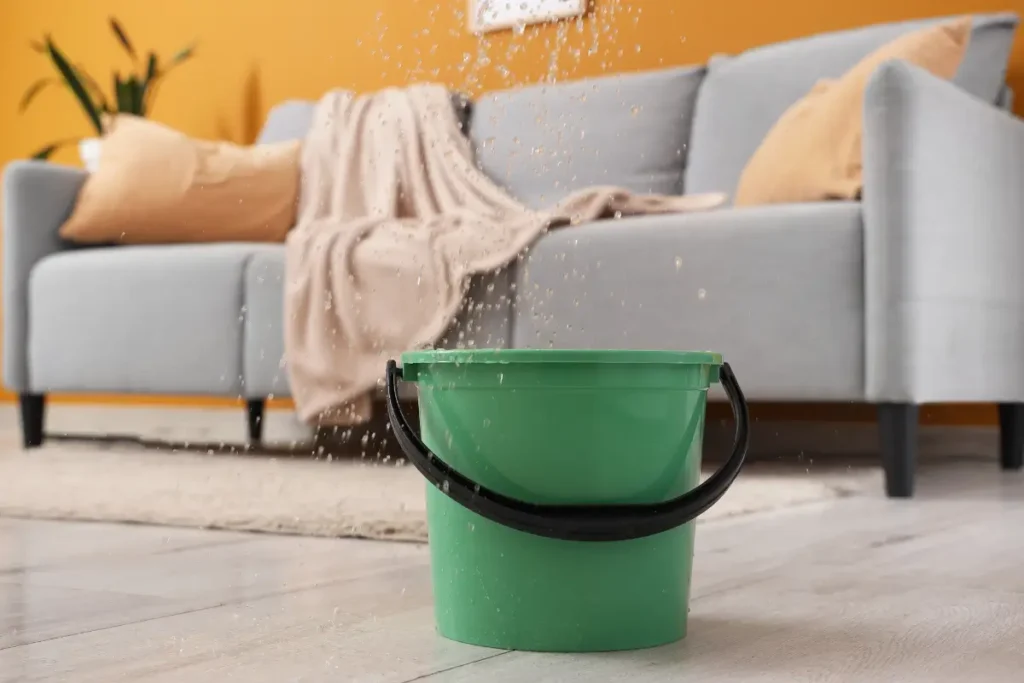
For this reason, you must contain indoor water damage while waiting for professional help to arrive. First, place deep buckets or plastic bins directly beneath active ceiling leaks. Next, lay thick towels around the base of the buckets to catch stray splatters and protect your hardwood or carpet.
However, if water collects behind your ceiling drywall and forms a bulging bubble, act carefully. Carefully puncture the center of the bubble with a small nail or screwdriver. Because this controlled drain releases trapped weight, it effectively prevents a large ceiling collapse. Afterward, move nearby furniture away from the leak area to preserve your belongings.
Documenting Storm Impact for Insurance
In addition, documenting all visible property damage creates a smooth path for your insurance claim. Specifically, take clear, time-stamped photographs and video clips of the active leak site inside your living space. Furthermore, record any damaged furniture, electronics, and water-stained drywall before you begin cleaning up.
Because these records are crucial, keep them organized alongside your maintenance logs. For example, avoid throwing away water-logged building materials until your insurance adjuster completes an inspection. Consequently, clear documentation helps your contractor and insurer verify the true extent of the storm damage.
Understanding Emergency Roof Leak Repair and Hidden Hazards
Because a sudden storm creates unique structural challenges, it requires specialized techniques. For instance, gale-force winds lift shingle edges, creating gaps where rain penetrates your home. Therefore, professional emergency roof leak repair focuses on rapidly stopping water entry, even while severe weather continues outside.
| Sequence Step | Storm Water Intrusion Stage | Critical Vulnerability & Impact |
| Step 1 | High Winds Lift Shingle Tabs | Water pushes upward beneath overlapping shingle seams |
| Step 2 | Underlayment Barrier Failure | Rain breaches felt or synthetic protective layer |
| Step 3 | Sheathing & Attic Saturation | Water saturates wood decking, rafters, and thermal insulation |
| Step 4 | Interior Ceiling Pooling | Water collects behind drywall, causing drips and potential collapse |
However, homeowners often feel tempted to climb onto the roof during a storm to fix leaks themselves. Unfortunately, wet shingles, steep pitches, and strong wind gusts create extremely dangerous conditions. As a result, slipping on a wet roof can lead to severe injury or death. To prepare for extreme weather risks, review official home safety guidance on Ready.gov severe weather preparedness. Fortunately, licensed roofing crews possess specialized safety harnesses and ladder anchors designed for stormy weather.
Specifically, during active rain, technicians install heavy-duty, waterproof tarps secured with wooden batten strips. These temporary barriers prevent wind from blowing the cover away. Later, once the storm passes, the crew conducts a permanent restoration to rebuild your roof’s protective layers completely.
Identifying Failure Points That Demand Roof Repair Services
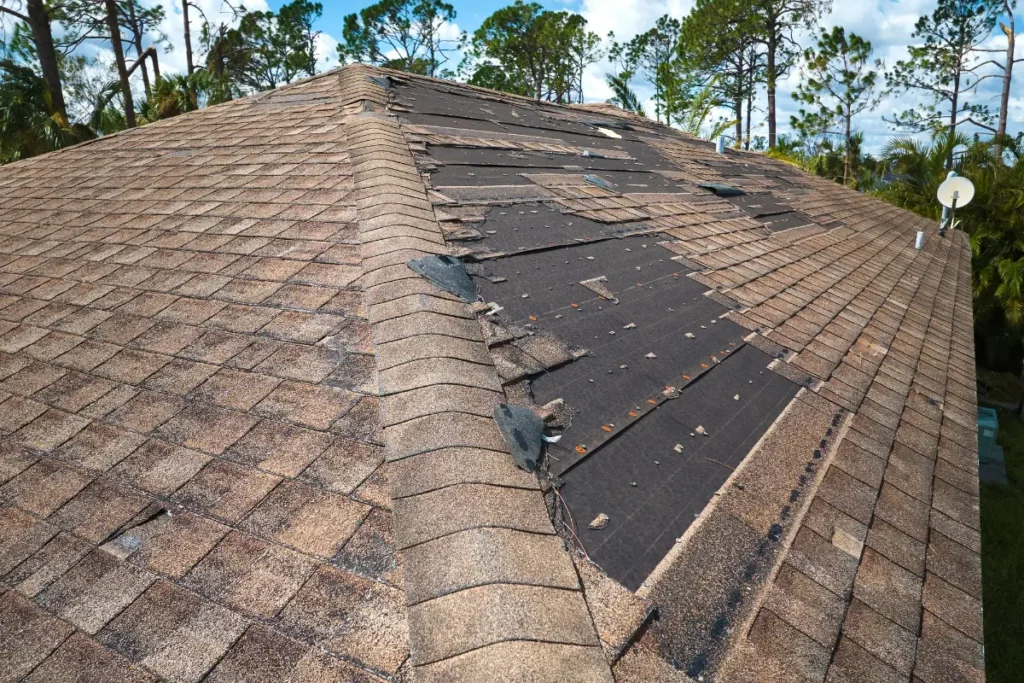
Because high winds and heavy rain expose minor vulnerabilities, you must monitor your roofing envelope. Consequently, identifying these failure points early helps you request targeted roof repair services before internal structural decay sets in.
| Roof Component | Primary Failure Cause | Resulting Storm Damage |
| Metal Flashing | Rust, cracked sealant, or wind uplift | Water leaks around chimneys, skylights, and roof valleys |
| Asphalt Shingles | High wind uplift or impact damage | Bare wood decking exposure to direct wind-driven rain |
| Pipe Boots | Sun degradation and rubber cracking | Direct water drips into attic space and ceiling insulation |
Flashing and Valley Failures
Specifically, metal flashing seals the vulnerable seams around your chimney, skylights, and roof valleys. Over time, temperature changes loosen fasteners and crack the surrounding sealant. Consequently, during torrential downpours, water collects in roof valleys and channels directly through these compromised metal seams.
Therefore, replacing worn flashing stops chronic water intrusion at its source. As a result, experienced roofers replace damaged metal strips, seal underlying joints, and ensure proper water shedding down the slope.
Missing or Lifted Shingles
Similarly, strong wind gusts create uplift pressure that pulls aged asphalt shingles away from the wooden deck. Once a shingle tears off, bare underlayment faces direct rain exposure. Although synthetic underlayment resists moisture temporarily, prolonged exposure causes water to seep through nail holes into your attic space.
Consequently, timely shingle replacement restores the outer armoring of your roof system. For example, technicians match your existing shingle profile, secure new tabs with proper nailing patterns, and seal edges against future wind lift.
Attic Moisture & Saturated Insulation
In fact, water dripping into your living room represents only a fraction of total leak volume. Indeed, much of the incoming rain saturates fiberglass or cellulose attic insulation first. Because wet insulation loses its thermal resistance immediately, your heating costs will spike.
Furthermore, damp insulation creates an ideal environment for mold spores to multiply within 24 to 48 hours. Therefore, inspecting your attic space after severe storms ensures you catch hidden moisture issues early.
How an Expert Roof Repair Contractor Secures Your Home
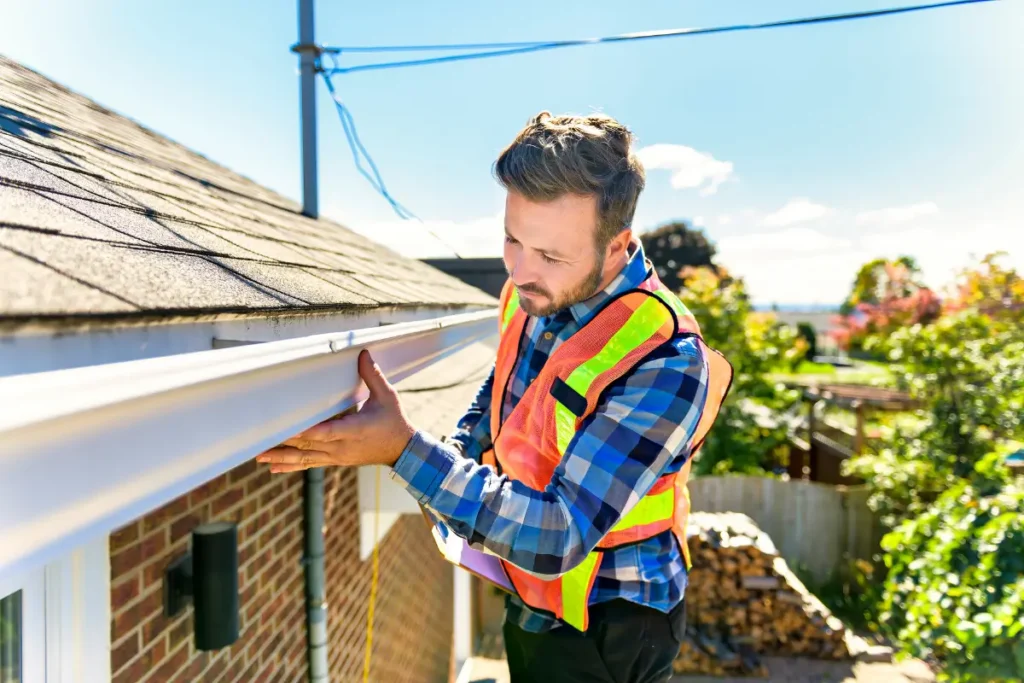
Hiring a certified roof repair contractor gives you access to advanced leak detection equipment and professional material installation. As a result, experts handle complex repairs safely and restore full protection to your home.
| Response Phase | Action Title | Professional Response Description |
| Phase 1 | Rapid On-Site Inspection | Safety setup and tracing leak trail to primary water entry point |
| Phase 2 | Emergency Tarping | Installing heavy-duty weather barriers secured with batten strips |
| Phase 3 | Diagnostic Reporting | Providing detailed failure cause analysis, costs, and material plan |
| Phase 4 | Permanent Repair | Complete structural restoration and final weather-tight verification |
When a professional crew arrives at your property, they perform a swift diagnostic evaluation. Because water often travels along rafters before dripping through your ceiling drywall, roofers trace the moisture trail back to the actual exterior entry point.
Next, contractors deploy commercial-grade weather barriers to seal the breach. Specifically, they secure these tarps with anchored wooden strips rather than simple bricks or sandbags. Consequently, your roof remains completely protected against ongoing rain and high wind gusts.
After securing the site, your contractor provides a detailed diagnostic report. Because this document outlines the exact causes of the failure, required replacement materials, and repair costs, you gain complete clarity before permanent restoration work begins.
Pre-Storm Inspection & Maintenance Checklist
Overall, preventive maintenance remains your best defense against unexpected storm leaks. For example, clearing leaves, needles, and debris from your gutters allows rainwater to drain freely. When gutters clog, backed-up water pools under the lower shingle edges, causing hidden fascia rot.
In addition, schedule professional roof inspections twice every year. Consequently, a licensed technician can spot loose pipe boots, cracked sealant, and lifted shingles before autumn storms arrive. Ultimately, fixing minor issues early saves you thousands of dollars in emergency repairs later.
Act Fast When You Need Emergency Roof Leak Repair
Because ignoring an active roof leak leads to severe interior damage, it quickly causes weakened structural framing and health risks from toxic mold growth. Therefore, taking quick action protects your family and safeguards your home investment. When severe weather breaches your home envelope, professional emergency roof leak repair provides fast relief and reliable structural protection.
Specifically, the team at iDeal Roofing delivers rapid, expert emergency response across Southwest Washington and the Portland Metro area. Because our certified technicians act fast, we quickly isolate leaks, install secure temporary protection, and execute long-lasting permanent repairs. Contact iDeal Roofing today to secure your free repair estimate and restore complete peace of mind.