
Why Residential Roofing Matters to Your Home
Your roof does much more than keep rain out. Residential roofing protects your home from moisture, wind, changing temperatures, and other weather conditions. It also supports indoor comfort, energy efficiency, and curb appeal.
However, many homeowners only think about their roof after noticing a leak. By that point, a small problem may have already affected other parts of the roofing system. Regular attention can help you catch issues earlier and make better decisions about repairs or replacement.
A strong roof also protects the investment you have made in your home. Therefore, understanding its needs can help you avoid unnecessary damage and unexpected costs.
Your Roof Is More Than Its Outer Surface
A roof works as a complete system. Shingles, panels, underlayment, flashing, decking, ventilation, and drainage all contribute to its performance.
For example, a leak does not always start where you see water inside the house. In some cases, moisture travels along roofing components before reaching the interior. For that reason, a proper assessment should look beyond the surface.
Instead of treating only the visible symptom, a roofing professional can investigate the source. That approach helps determine which repair or maintenance step makes sense.
Residential Roofing: What Does Your Roof Need?
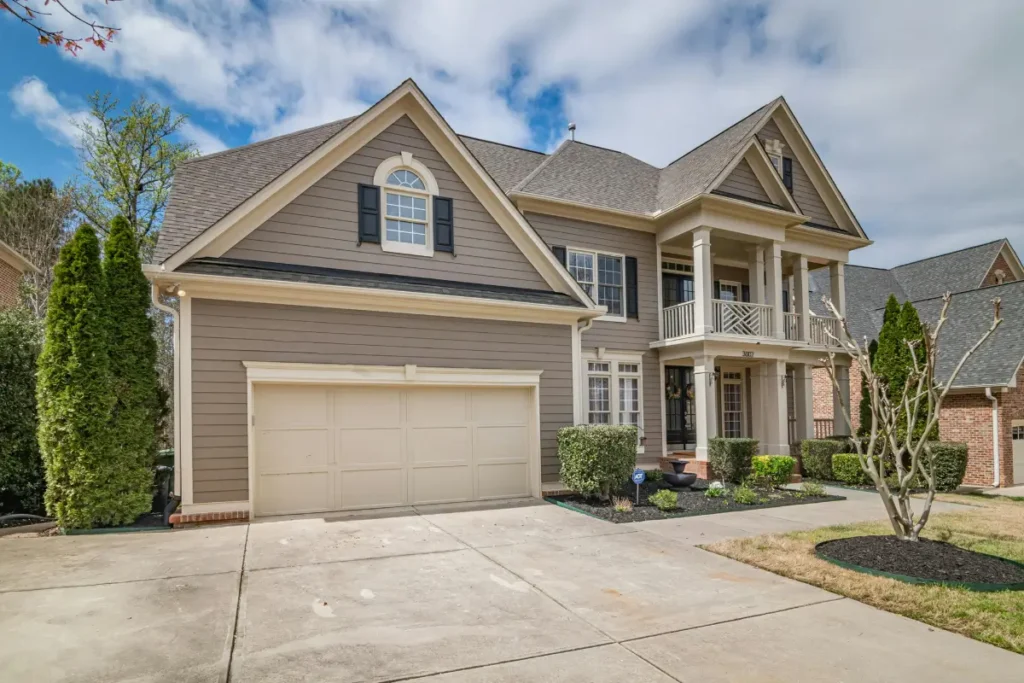
Every home has different roofing needs. The roof’s age, design, materials, condition, and exposure to weather all affect how it should be maintained.
Generally, homeowners can think about roof care in three categories: maintenance, repair, and replacement. Each option serves a different purpose, so the right choice depends on the condition of the entire system.
Routine Maintenance and Inspections
Routine maintenance helps homeowners identify developing problems before they become major repairs. It can include roof cleaning, seasonal inspections, debris removal, and minor repairs when needed.
Moss and debris can affect drainage and contribute to moisture problems. Likewise, damaged materials or deteriorating sealants can create openings for water.
Regular inspections can also document changes over time. As a result, homeowners gain a better picture of their roof’s condition and can plan future work instead of reacting to an emergency.
Residential Roofing Services for Repairs and Maintenance
Professional roofing services can address issues such as leaks, storm damage, deteriorated underlayment, and other roofing concerns. The goal should not simply be to hide visible damage. Instead, the work should address the underlying cause whenever possible.
According to iDeal Roofing, its team diagnoses underlying problems and provides repairs designed for long-term performance. The company also offers roof cleaning and maintenance that combines inspections, cleaning, and on-the-spot repairs.
This approach can help homeowners protect an existing roofing system while identifying problems that may require more extensive work.
Signs Your Roof May Need Professional Attention
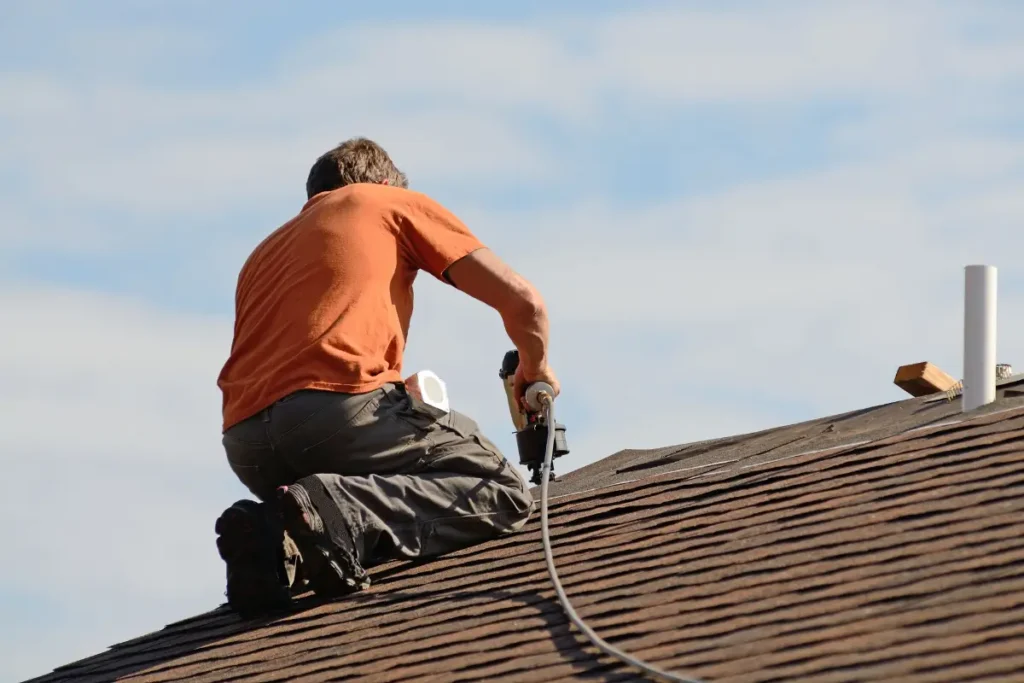
Some roofing problems announce themselves clearly. Others develop quietly until moisture reaches the home’s interior. Therefore, homeowners should watch for both visible roof damage and changes inside the house.
You do not need to climb onto the roof to look for every warning sign. In fact, steep, wet, or damaged roofs should remain a job for trained professionals.
Visible Warning Signs
Several signs deserve attention:
- Missing or damaged shingles
- Cracked or deteriorated roofing materials
- Damaged flashing
- Sagging areas
- Excessive moss or organic growth
- Accumulated debris
- Drainage problems
- Areas that appear worn or uneven
Storms can also cause damage that remains difficult to see from the ground. Strong winds, falling branches, and severe weather can affect roofing materials and underlying components.
If you notice a change after a major storm, consider arranging a professional inspection. Early attention can make it easier to determine whether the damage requires a localized repair or a broader solution.
Warning Signs Inside the Home
Your home can also reveal roofing problems. Watch for signs such as:
- Water stains on ceilings or walls
- Damp spots
- Recurring moisture
- Peeling or damaged interior finishes
- Signs of water intrusion around roof penetrations
A ceiling stain does not always identify the exact location of a roof problem. In fact, water can travel along roofing components before reaching the interior.
For that reason, repeated moisture should not become a normal part of homeownership. A professional assessment can help identify where the problem starts.
When One Problem May Signal a Bigger Issue
A single damaged shingle does not necessarily mean you need a new roof. However, recurring leaks or widespread deterioration deserve closer attention.
Multiple repairs in different areas may indicate that the roof is aging as a whole. Similarly, damage that returns after previous repairs may point to an underlying issue.
In these situations, examining the entire roofing system can provide a clearer answer than addressing each symptom separately.
Repair or Replacement? Knowing the Difference
Homeowners often face one important question: should they repair the existing roof or replace it?
There is no universal answer. A roof with isolated damage and plenty of useful life may only need a targeted repair. On the other hand, extensive deterioration can make replacement a more practical long-term choice.
When a Roof Repair May Be the Better Option
A repair may make sense when damage remains localized and the surrounding roofing system remains in good condition.
For instance, a professional may recommend repair when:
- Damage affects a limited area
- The roof still has useful service life
- Surrounding materials remain sound
- The underlying structure has not suffered extensive damage
- A repair can restore the affected area effectively
The objective is to solve the problem without replacing components that still perform well.
When Roof Replacement Makes More Sense
Replacement becomes more relevant when problems affect a larger portion of the roof or when the system has reached the end of its useful life.
Several conditions may support replacement:
- Widespread material deterioration
- Recurring leaks
- Extensive storm damage
- Significant underlying damage
- An aging roof with declining performance
- Frequent repairs that no longer provide a practical solution
A replacement also gives homeowners an opportunity to update the roofing system. In addition, they can choose materials that better fit the home’s design and long-term needs.
Why a Professional Assessment Matters
Judging a roof’s condition from the ground can be difficult. Even visible damage may not reveal how far a problem has spread.
A qualified residential roofing contractor can assess the roof, identify the source of problems, and explain the available options. A good recommendation should also explain why a repair or replacement makes sense for the property’s condition.
That clarity matters. Homeowners deserve to understand what work they need and why before committing to a major roofing project.
Choosing the Right Roofing Material for Your Home
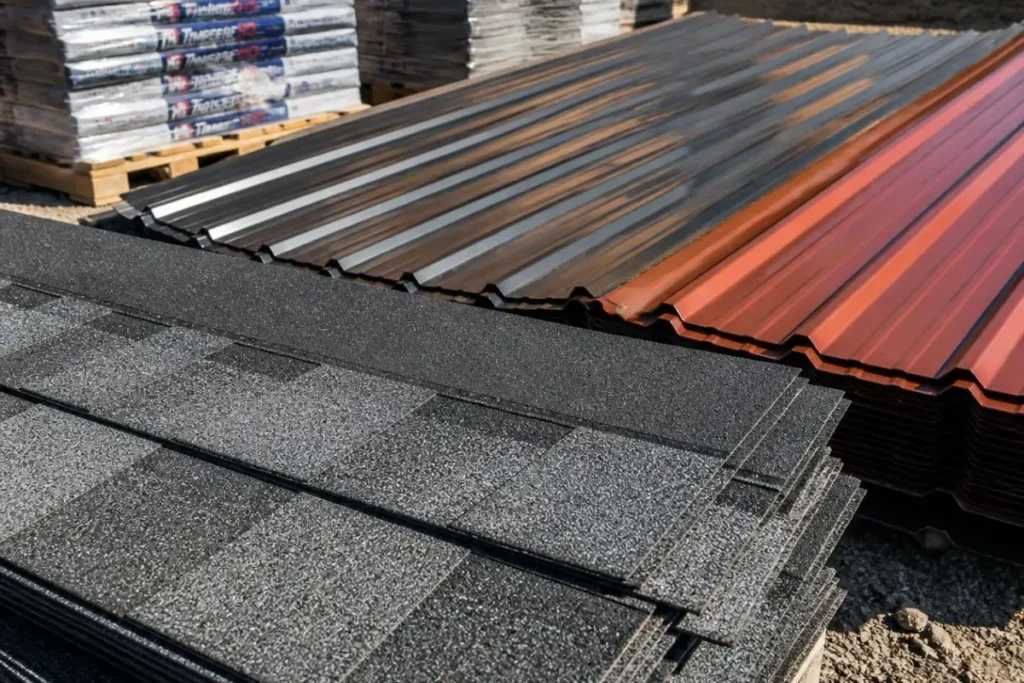
Roofing materials differ in appearance, performance, maintenance needs, and application. Therefore, homeowners should consider the property itself rather than choosing a material based on appearance or price alone.
The roof’s design matters as well. A material that works well for one configuration may not suit another.
Asphalt Shingles
Asphalt shingles remain a common residential roofing option. They offer a versatile appearance and can suit many home designs.
Even so, homeowners should consider product quality, installation, expected service life, maintenance, and local weather exposure before choosing a specific shingle system.
Metal Roofing
Metal roofing can offer durability and a distinctive appearance. Depending on the system, it can also provide a long-lasting option for homeowners who want an alternative to traditional shingles.
Standing seam systems and other metal options can suit certain architectural styles particularly well. Still, proper material selection and installation remain essential to long-term performance.
Flat-Roof Systems
Flat and low-slope roofs require different considerations from conventional pitched roofs. Systems such as modified bitumen, TPO, and EPDM can serve specific applications.
Water management becomes especially important on low-slope roofs. Therefore, the roofing system should match the roof’s design and drainage requirements.
Matching the Roofing System to the Home
Before selecting a roofing material, consider:
- Roof pitch and design
- Local weather exposure
- Desired longevity
- Maintenance requirements
- Energy-efficiency goals
- Budget
- Architectural style
The right material should support the home’s needs while providing dependable protection.
What a Professional Roofing Project Should Include
A quality roofing project involves more than installing new shingles or panels. The process should begin with understanding the existing roof and continue through installation and final inspection.
A clear process also helps homeowners know what to expect. That preparation can make a major project easier to manage.
Inspection and Problem Identification
The first step should involve assessing the roof’s condition. This assessment can help identify damaged materials, moisture concerns, structural issues, and other problems.
A professional should also determine whether the recommended work addresses a localized concern or a larger roofing-system issue.
Material and System Selection
Material selection should follow the property’s needs. Your contractor should consider the roof design, existing conditions, performance goals, and project budget.
For replacement projects, the contractor should also explain the proposed materials. Understanding the reasoning behind the recommendation helps homeowners make an informed choice.
Proper Installation and Weatherproofing
Installation quality directly affects roof performance. Depending on the system, the project may involve underlayment, flashing, ventilation, weatherproofing, and proper installation of the chosen roofing material.
iDeal Roofing states that its replacement process includes removing worn roofing layers, installing modern underlayment, and finishing with premium shingles or panels.
The company also identifies multiple roofing types and materials, including asphalt shingles, metal roofing, TPO/EPDM, modified bitumen, panels, and standing seam systems.
Cleanup, Inspection, and Final Review
The project should not feel finished simply because the new material is in place. A final review helps confirm that the work meets the expected standard.
Good communication matters here, too. Homeowners should know what work the crew completed, what warranties apply, and whether any follow-up care is recommended.
How to Choose a Roofing Professional
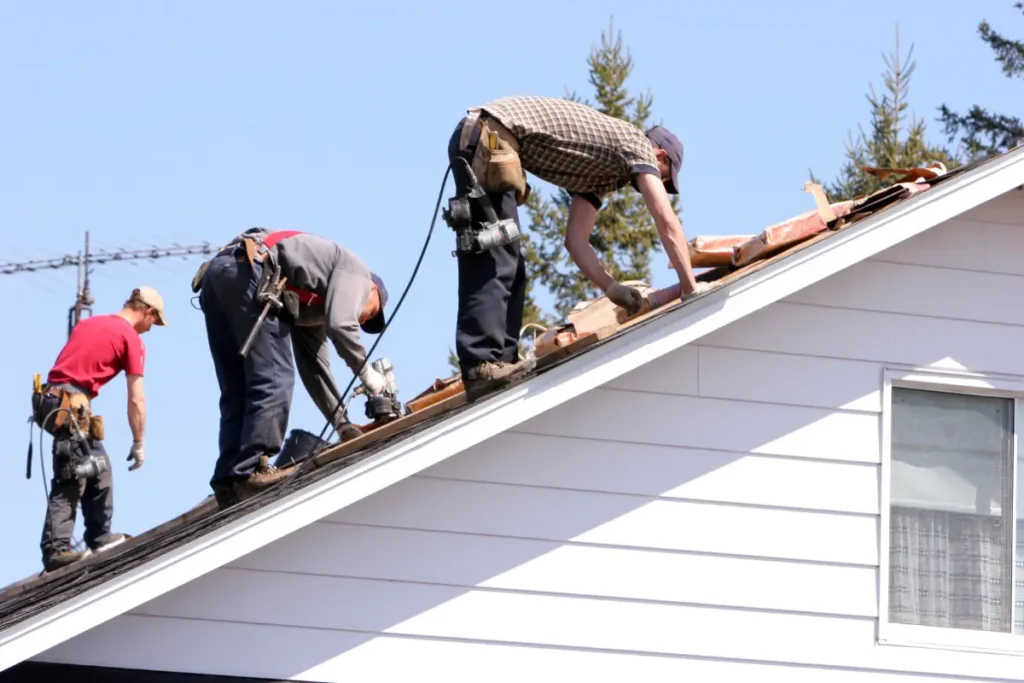
Choosing a roofing company deserves the same attention as choosing roofing materials. After all, even high-quality materials can perform poorly when installation or diagnosis falls short.
Look Beyond the Estimate
Price matters, but it should not become the only deciding factor. Consider:
- Experience
- Licensing
- Bonding and insurance
- Relevant certifications
- Warranty coverage
- Written estimates
- Communication
- Customer reviews
iDeal Roofing identifies itself as a GAF Certified contractor and states that its work includes workmanship guarantees and warranty options.
Ask What the Contractor Is Actually Recommending
Before approving major work, ask direct questions:
- What caused the problem?
- How extensive is the damage?
- Can the roof receive a reliable repair?
- Why does the contractor recommend replacement?
- What materials will the project use?
- What does the estimate include?
- What warranties apply?
- What maintenance should follow the project?
Clear answers can help you compare proposals based on value rather than price alone.
Be Wary of Temporary Fixes Presented as Permanent Solutions
A quick patch may have a place when immediate protection matters. However, a temporary measure should not replace a proper diagnosis when a deeper problem exists.
If a leak keeps returning, ask why. Likewise, damage in several areas warrants a broader assessment.
A trustworthy roofing professional should explain the condition clearly. They should also present options that match the property’s actual needs.
Protecting Your Roof Long After Installation
A new roof does not eliminate the need for care. Instead, regular attention can help preserve its condition and identify changes before they become expensive problems.
Schedule Periodic Inspections
Periodic inspections can reveal damage, debris, drainage concerns, and early signs of deterioration. They can also help homeowners track how the roof changes over time.
This becomes especially useful after severe weather. It also helps when the roof reaches an older stage of its service life.
Keep the Roof and Drainage Areas Clear
Debris can interfere with drainage and create conditions that encourage moisture retention. Moss and other organic growth can also affect the roof when they remain unchecked.
Regular cleaning and maintenance can help keep the roofing system functioning properly. However, homeowners should avoid unsafe DIY work on steep or difficult-to-access roofs.
Address Damage Promptly
A small roofing issue may remain manageable when you address it early. If you ignore it, moisture can reach underlayment, decking, insulation, or interior finishes.
Therefore, do not wait for a major ceiling stain before investigating a suspected roof problem. Prompt attention can give you more options and may prevent a localized issue from becoming a larger project.
Give Your Home the Roofing Care It Deserves
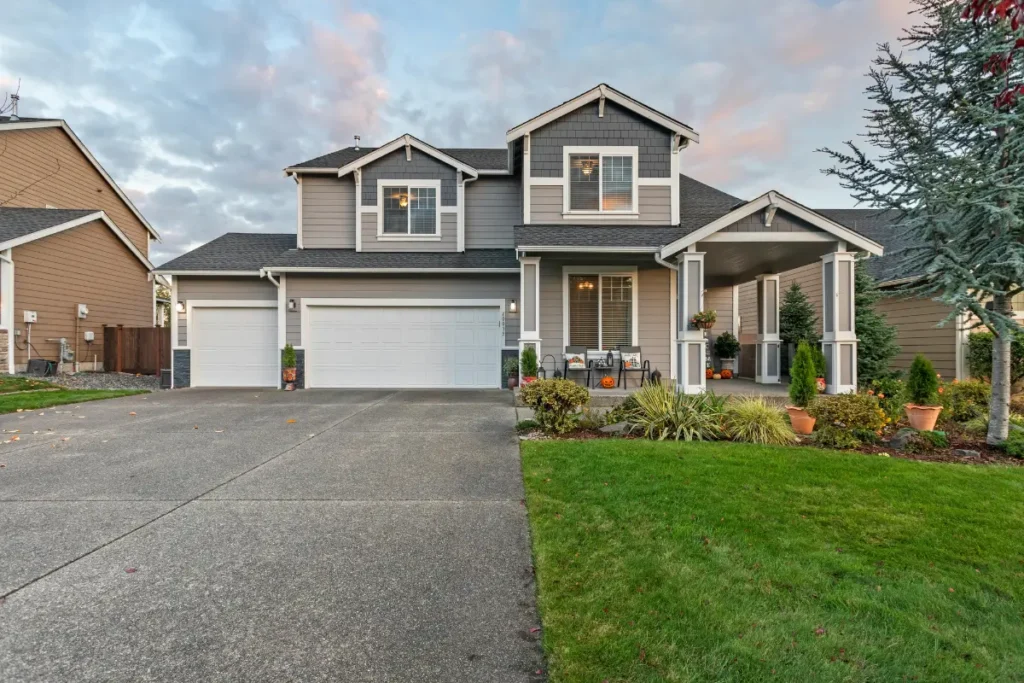
Your roof protects nearly every part of your home, so its condition deserves more than occasional attention. Regular maintenance can help preserve the system, while timely repairs can address localized problems before they spread.
However, some roofs reach a point where continued repairs no longer make practical sense. In those cases, replacement can provide a fresh start with a roofing system selected for the home’s design, performance needs, and long-term goals.
iDeal Roofing provides residential roofing solutions across Southwest Washington and the Portland Metro area. Its services include roof repair, replacement, new construction, cleaning, and maintenance.
If you are unsure what your roof needs, start with a professional assessment. A clear evaluation can help you understand your roof’s condition, compare your options, and choose the right next step for your home.